
Side Dishes
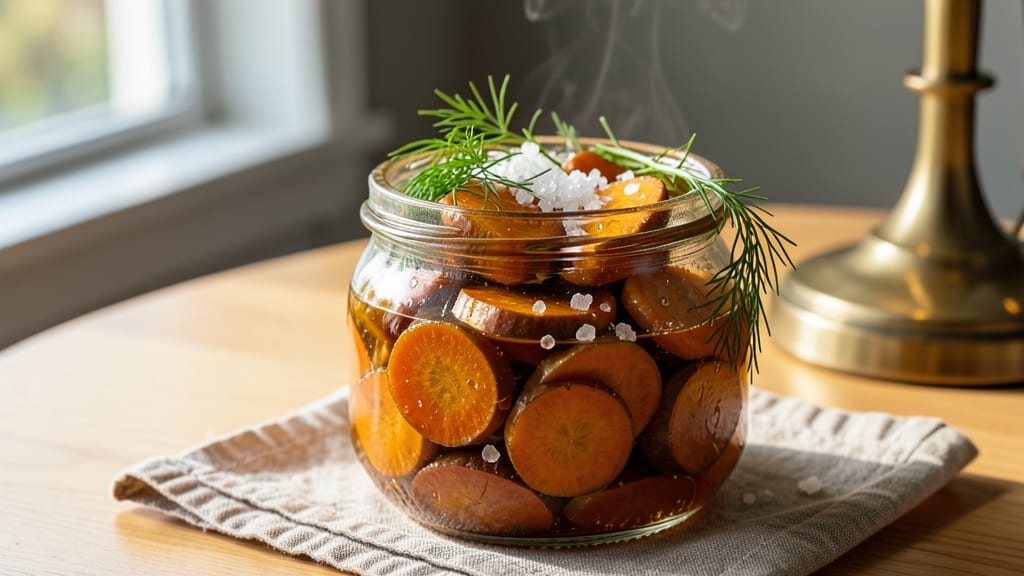
This sweet potato pickle recipe transforms humble sweet potatoes into tangy, vinegar-bright crunch that elevates any BBQ spread with unexpected depth. The process is surprisingly straightforward—thinly sliced sweet potatoes ferment in a sharp vinegar brine, developing a satisfying crispness and complex flavor profile that bridges sweet and sour.
I developed this recipe after craving a vegetable side that could stand up to smoky meats without losing its own character, and the results consistently surprise even seasoned cooks.
The beauty of this method lies in its versatility—you can adjust the spice level, herbs, or even add a touch of honey for subtle sweetness, but the core technique remains foolproof and beginner-friendly.
With just 15 minutes of prep and 24 hours of fermenting time, you’ll have a batch of pickles that add vibrant color and texture to sandwiches, tacos, or charcuterie boards. The key is patience; letting the flavors meld overnight creates that signature tangy crunch that makes these pickles irresistible.
What makes this recipe particularly special is how it transforms a starchy vegetable into something light and refreshing, perfect for balancing rich, fatty dishes. The vinegar brine not only preserves the sweet potatoes but also enhances their natural sweetness, creating a harmonious blend of flavors.
Serve them alongside pulled pork, grilled chicken, or even as a topping for burgers—they’re a game-changer for any meal where you want a little extra bite and brightness.
Storage is simple: these pickles keep in the refrigerator for up to two weeks, making them an ideal make-ahead side dish for gatherings or meal prep. The recipe also scales effortlessly, so you can make a large batch for parties or freeze extras for later.
Whether you’re a seasoned fermenter or new to pickling, this method delivers restaurant-quality results with minimal effort—proof that even the simplest ingredients can become extraordinary with the right technique.
Ingredients for sweet potato pickle
Transform humble sweet potatoes into vibrant, tangy pickles with these carefully balanced ingredients.
| Ingredient | Amount | Notes |
|---|---|---|
| Orange Sweet Potatoes 🍠 | 2 lb | Medium size, peeled and sliced thin |
| White Vinegar 💧 | 2 cups | Distilled for best results |
| Water 💧 | 1 cup | Filtered preferred |
| Granulated Sugar 🍚 | ½ cup | Organic preferred |
| Sea Salt 🧂 | 1 tbsp | Diamond Crystal preferred |
| Fresh Dill 🌿 | ¼ cup | Chopped, stems removed |
| Fresh Garlic Cloves 🧄 | 4 cloves | Thinly sliced |
| Red Pepper Flakes 🌶️ | ½ tsp | Adjust for heat preference |
| Black Peppercorns 🌶️ | 1 tsp | Crushed lightly |
| Mustard Seeds 🌾 | ½ tsp | Yellow preferred |
| Apple Cider Vinegar 🍎 | ½ cup | For depth of flavor |
The sweet potatoes are the foundation—orange varieties like Jewel or Beauregard work best, offering natural sweetness that pairs beautifully with the vinegar. Local farmers markets often carry perfect specimens in fall, but any grocery store produce section should have them year-round. Look for firm, unblemished tubers with vibrant skin; avoid any with soft spots or sprouts. For slicing, a mandoline set to 1/8-inch thickness ensures even, crisp pieces—essential for that satisfying crunch. If you don't have one, a sharp chef's knife and steady hand work too, but be cautious with the thin slices. The vinegar selection matters: white vinegar for classic tang and apple cider vinegar for subtle fruit notes create the perfect balance.
No fresh dill? Dried dill at one-third the amount works in a pinch, though fresh provides that bright herbal punch. The garlic can be minced if you prefer, but thin slices keep the texture interesting. Running short on mustard seeds? Ground mustard at half the amount delivers a similar depth. For heat, caayenne pepper at the same quantity offers a different but equally effective kick. The sugar helps preserve the sweetness during fermentation—raw cane sugar or coconut sugar work beautifully if you prefer less refined options. And if you're making a large batch, consider doubling the spices to maintain the same vibrant flavor profile.
These pickles develop their signature crunch and tang over 24 hours, but they'll keep improving for up to two weeks in the refrigerator. Store them in an airtight container with the brine to maintain crispness. For longer storage, freeze portions in ice cube trays—perfect for adding to meals later. The brine itself is edible and delicious; use it as a tangy dressing or marinade. If you find yourself with extra sweet potatoes, roast the peels for a sweet, smoky snack—nothing goes to waste in this process.
Why You'll Love This Recipe
- No-Cook Magic: I swear by this—just slice those vibrant orange sweet potatoes, toss them in vinegar and sugar, and let time do the work. No oven, no fuss, and the result is that perfect balance of tangy and sweet that makes you want to eat straight from the jar.
- Sweet-Tangy Obsession: That first bite? The sweet potatoes stay tender but develop this addictive crisp edge, while the vinegar and sugar caramelize just enough to make your mouth water. It’s like a grown-up version of pickles—way more exciting.
- Weeknight Sidekick: I keep a jar in my fridge for lazy nights: toss with scrambled eggs, crumble over tacos, or just snack straight up. It’s my go-to for when I need something quick but still feels special—no last-minute shopping required.
- Budget Brightener: Sweet potatoes are cheap, and this recipe stretches them into something fancy. A single bag lasts me weeks, and the vinegar and sugar are pantry staples. Plus, it’s one of those dishes that tastes even better the next day—so you’re basically getting double the value.
Step-by-step instructions for sweet potato pickles
Transforming sweet potatoes into crisp, tangy pickles requires precision—follow these steps exactly.
Prepare and Sterilize the Sweet Potatoes
Peel the 2 lb orange sweet potatoes using a vegetable peeler, removing all skin. Cut them into ¼-inch thick slices using a mandoline or sharp knife for uniform thickness. This even thickness ensures consistent pickling and texture throughout.
Place the sliced sweet potatoes in a large, non-reactive bowl. Immediately sprinkle with 1 tbsp sea salt and toss gently to distribute evenly. Let them sit for 15 minutes—this draws out excess moisture, which prevents a watery brine. After resting, rinse the slices thoroughly under cold water and drain completely in a colander for 5 minutes. This step is critical for achieving crisp pickles rather than soggy ones.
Create the Flavorful Brine
In a medium saucepan, combine 2 cups white vinegar, 1 cup water, 0.5 cup granulated sugar, 0.5 cup apple cider vinegar, 0.5 tsp red pepper flakes, 1 tsp black peppercorns, and 0.5 tsp mustard seeds. Bring the mixture to a gentle simmer over medium heat, stirring occasionally until the sugar fully dissolves—about 3-4 minutes. The sugar should integrate completely, leaving no graininess.
While the brine heats, crush the 4 cloves fresh garlic and 0.25 cup fresh dill lightly with the flat side of a knife. This releases their aromatic oils without pulverizing them into the mixture. Once the brine reaches 180°F (a rolling simmer), remove it from heat and stir in the crushed garlic and dill. Let the mixture steep for 5 minutes to infuse flavors deeply.
Pack and Seal the Sweet Potatoes
Sterilize 4 clean, airtight quart-sized jars by running them through a dishwasher cycle or boiling them in water for 10 minutes. Using a slotted spoon, carefully pack the drained sweet potato slices into the jars, leaving ½-inch headspace at the top. This space allows the brine to fully submerge the potatoes without overflowing.
Ladle the hot brine over the sweet potatoes, ensuring each slice is fully covered. Use a non-reactive utensil to press the slices down gently, removing any air bubbles trapped between them. The brine should reach ¼-inch above the top layer of potatoes. Seal the jars tightly with sterilized lids.
Process for Preservation
Place the sealed jars in a large pot and fill the pot with water until the jars are fully submerged, leaving 1-inch of water above them. Bring the water to a rolling boil over high heat. Once boiling, reduce heat to medium and process the jars for 15 minutes. This time ensures the pickles are properly preserved and sterilized.
After processing, remove the jars from the pot using tongs and let them cool on a clean kitchen towel for 12 hours. This slow cooling prevents thermal shock and helps create a proper seal. Once cooled, check that the lids are sealed by pressing down—they should not pop back up. Store the pickles in a cool, dark place for up to 6 months, though they’ll be best within the first 3 months.
Pro Tips For Making Sweet Potato Pickle
- Slice Thin, Even Strips: Sweet potatoes are stubborn—if you chop them unevenly, some will stay crunchy while others turn mushy. Use a mandoline (or a sharp knife with a ruler) for ⅛-inch slices, and soak them in cold water for 10 minutes first. This evens out the moisture so they pickle uniformly.
- Boil Until Fork-Tender: I used to skip boiling and just toss raw slices into the vinegar mix—big mistake. Sweet potatoes need a 5-minute boil in salted water until they yield to a fork. This step prevents them from turning to mush later, even after sitting in the brine.
- Use 1:1 Vinegar-to-Water Ratio: Too much vinegar makes the pickle harsh; too little and it won’t preserve well. Stick to equal parts white vinegar and water (e.g., 1 cup each for 4 cups of sliced potatoes). Add sugar and salt after the liquid is hot—this dissolves them completely, not just on the surface.
- Add Spices After Cooling: If you’re adding mustard seeds, garlic, or chili flakes, wait until the mixture is room temperature. Tossing them in hot liquid makes them bloom too fast, turning the brine cloudy and muting the flavors. Sprinkle them in after the jar cools, then stir gently.
Flavor customization for this sweet potato pickle
Sweet and Spicy Twist
Add 1 tbsp honey or agave nectar to the brine for a sweet-spicy balance that complements BBQ perfectly. I find 1 tsp smoked paprika enhances the depth, giving these pickles a subtle smokiness that pairs wonderfully with grilled meats.
For extra heat, include ½ tsp cayenne pepper—trust me, it elevates the flavor profile without overpowering the natural sweetness of the potatoes. 🌶️
Herb-Forward Variations
Swap out dill for fresh thyme or rosemary if you prefer earthier notes. A ¼ cup chopped cilantro adds a bright citrusy touch that works beautifully in tacos or salads.
For a Mediterranean twist, add 1 tsp dried oregano and ½ tsp fennel seeds—this combination brings a unique aromatic complexity that surprises even seasoned cooks.
Tropical Fruit Infusion
Brighten the brine with ½ cup pineapple juice and 1 tbsp grated ginger for a tropical-inspired twist. This works especially well if you’re serving these pickles alongside jerk chicken or fish tacos.
For a sweeter profile, add 2 tbsp mango chutney to the brine—it’s a game-changer for summer BBQs. The ginger adds a zesty kick that balances the sweetness beautifully. 🍍
Smoky Chipotle Kick
For a smoky depth, add 1-2 chipotle peppers in adobo sauce to the brine while heating. This infusion brings a slow, smoldering heat that lingers on the palate. I like to pair this with ½ tsp ground cumin for an earthy contrast.
These pickles are fantastic on nachos or alongside pulled pork—trust me, they’ll become a crowd-pleaser at your next cookout. 🔥
Citrus Zest Boost
Zest 1 lemon or lime and add it to the brine for a refreshing citrus note. The acidity helps cut through the sweetness of the potatoes, creating a bright, tangy flavor. For extra zing, include 1 tbsp fresh lime juice after the brine has cooled.
This variation is perfect for seafood dishes or as a palate cleanser between bites of rich, fatty foods. It’s a simple tweak that makes a big difference! 🍋
Crunchy Texture Upgrades
For added texture, toss in ½ cup toasted pecans or walnuts into the jars before sealing. The crunch contrasts beautifully with the tender pickles. Another option is ¼ cup crispy fried shallots
These upgrades work especially well in charcuterie boards or as a topping for burgers and sandwiches. 🌰
Nutrition facts
Frequently asked questions
Why do I need to salt the sweet potatoes before slicing?
The 15-minute salt soak draws out excess moisture from the sweet potatoes, which prevents a watery brine and ensures crisp, crunchy pickles instead of soggy slices. This step is especially important for starchy vegetables like sweet potatoes that release a lot of liquid.
Can I use regular potatoes instead of sweet potatoes?
While you can use regular potatoes, the flavor and texture won't be the same. Sweet potatoes have a natural sweetness that pairs beautifully with the vinegar brine, creating that signature tangy-crunch combination. Regular potatoes will be less flavorful and may turn mushy during fermentation.
How do I know when the pickles are ready to eat?
These pickles develop flavor over time—wait at least 24 hours before tasting, but they're best after 3-5 days of refrigeration. The ideal texture should be crisp with a tangy bite. If they're too soft, they've absorbed too much brine—try draining them on a paper towel before serving.
What if my jars don't seal properly?
If the lids don't seal, store the pickles in the refrigerator and consume within 5-7 days. Proper sealing is crucial for long-term storage, but unsealed jars will still keep safely in the fridge. Check for a tight seal by pressing the lid—it shouldn't pop back up. If you're concerned, use a water test (fill a bowl with water and submerge the jar; sealed jars won't leak bubbles).
Can I make this recipe without vinegar?
Vinegar is essential for both preservation and flavor in this recipe. However, you could experiment with a lactic acid fermentation method (like sauerkraut) using 2% salt brine instead, but the flavor profile will be very different—more sour and less tangy. The vinegar creates that signature bright, crisp flavor these pickles are known for.