
Desserts
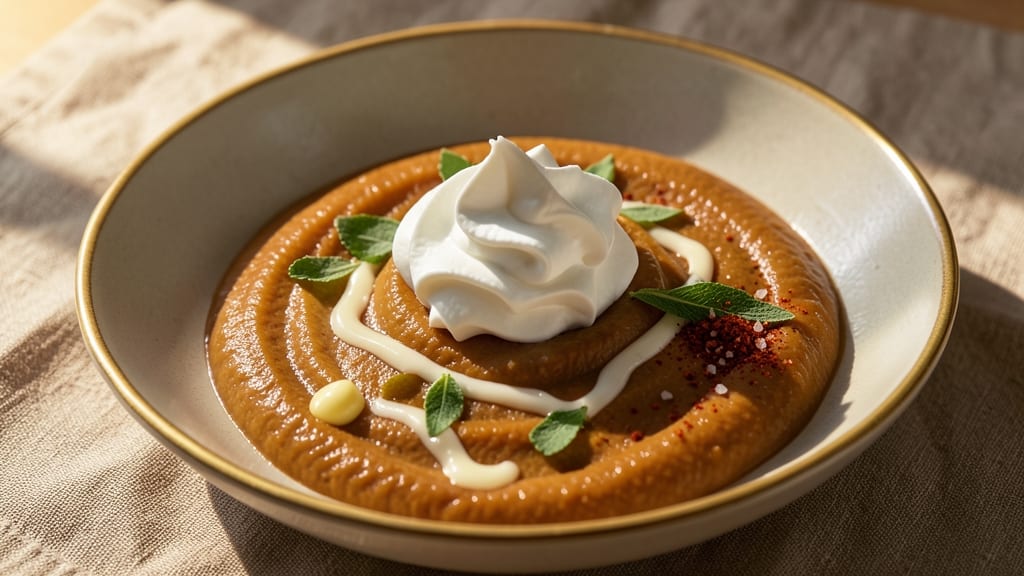
Sweet potato puree transforms from humble side dish to versatile star—whether you're craving creamy savory mash, silky dessert soups, or global-inspired twists. 💛 I developed these combinations after discovering how one simple base could stretch across meals, from weeknight dinners to decadent desserts, proving that versatility doesn't mean sacrificing flavor.
The secret lies in technique: roasting until tender, blending until silky, and balancing sweetness with savory or spiced accents.
What makes these recipes special is their adaptability—vegan-friendly swaps, protein-packed upgrades, and global flavor profiles all start from the same puree base. You'll find methods that work for both quick weeknight meals and make-ahead desserts, with clear instructions for achieving that perfect velvety texture every time.
The beauty of sweet potato puree is its ability to shine in any role, from comforting mash to elegant soups.
Imagine golden, nutty mash topped with crispy sage or smoky paprika, or creamy dessert soups with cinnamon swirls and vanilla bean. These combinations prove that sweet potatoes aren't just for Thanksgiving—they're a year-round ingredient with endless possibilities.
Whether you're feeding a family or treating yourself, the puree adapts to your needs while keeping prep simple and results impressive.
Each recipe includes dietary adaptations (like coconut milk for dairy-free versions) and pairing suggestions to elevate your dish. Let's explore how one simple puree can become the foundation for meals that feel both comforting and exciting—no fancy equipment required.
Ingredients for sweet potato puree recipe combinations
Sweet potatoes, butter, cream, and spices—simple ingredients that transform into golden mash or velvety dessert puree.
| Ingredient | Amount | Notes |
|---|---|---|
| Sweet Potatoes 🍠 | 2 lbs | Organic preferred, skin-on for roasting |
| Unsalted Butter 🧈 | ½ cup | Cold, cut into small cubes |
| Heavy Cream 🥛 | ½ cup | Full-fat for rich texture |
| Milk 🥛 | ¼ cup | Whole milk preferred |
| Fresh Sage Leaves 🌿 | ¼ cup | Chopped, stems removed |
| Smoked Paprika 🌶️ | 1 tsp | Sweet or hot variety |
| Ground Cinnamon 🍃 | ½ tsp | Freshly ground preferred |
| Vanilla Bean 🍮 | 1 whole | Split lengthwise for seeds |
| Pure Maple Syrup 🍯 | 2 tbsp | Grade A for sweetness |
| Salt 🧂 | 1 tsp | Diamond Crystal kosher |
| Black Pepper 🌶️ | ½ tsp | Freshly cracked |
| Coconut Milk 🥥 | ½ cup | Full-fat for vegan option |
| Garlic Cloves 🧄 | 2 cloves | Roasted for depth |
| Olive Oil 🫒 | 2 tbsp | Extra-virgin for roasting |
The sweet potatoes are the foundation, so pick vibrant, firm ones—the deeper the orange, the richer the flavor. Trader Joe's organic sweet potatoes are my go-to for consistent results, but any organic or heirloom variety works. Roasting them whole with olive oil and salt (425°F for 45-50 minutes) concentrates their natural sweetness. For extra flavor, add those roasted garlic cloves to the roasting pan—they'll caramelize beautifully. If you're short on time, microwave them first (10 minutes) to speed up the roasting process, though oven-roasted gives the best texture.
Need a vegan swap? Coconut milk replaces the heavy cream and butter—just use full-fat for that same velvety consistency. Short on sage? Fresh thyme or rosemary works too, though sage's earthy aroma pairs perfectly with sweet potatoes. The vanilla bean can be swapped for vanilla extract (1 tsp), but the seeds add that extra luxury. For a smokier profile, add a pinch of chipotle powder alongside the smoked paprika. And if you're making dessert versions, brown sugar or date syrup can replace the maple syrup—just adjust to taste since sweetness varies.
Roasted sweet potatoes keep in the fridge for 5 days in an airtight container, but the puree itself lasts 4-5 days in the fridge or 3 months frozen. For make-ahead desserts, freeze the puree in ice cube trays—just thaw overnight in the fridge before using. The savory mash reheats beautifully; stir in a splash of milk or cream when warming to restore creaminess. And if you're prepping for a crowd, double the batch—the puree freezes perfectly for future meals or desserts.
Why You'll Love This Recipe
- One-Pot Magic: I swear by this—just roast the sweet potatoes until tender, then mash them right in the pan with butter, cream, and milk. No extra bowls, no fuss. That sage? Toss it in at the end for a fragrant finish that takes zero effort.
- Velvet-Smooth Richness: The combo of heavy cream and butter transforms humble sweet potatoes into something luxurious—creamy, velvety, and just sweet enough. Honestly, it’s the kind of dish that makes you pause mid-bite, even if you’re in pajamas at 9 PM.
- Weeknight to Dinner Party: This puree is my secret weapon for lazy nights (spread it on toast) or fancy gatherings (pipe it into a gratin). Same base, endless twists—drizzle with honey for breakfast, fold into mashed potatoes for dinner, or serve it chilled with a sprinkle of flaky salt.
- Leftovers That Don’t Suck: Unlike most purees, this one actually improves the next day. Reheat with a splash of milk to keep it luscious, or freeze in portions for quick soups or casseroles. My freezer’s always stocked—because why stress when you can just thaw and enjoy?
Step-by-step instructions for sweet potato puree with savory and sweet variations
Transform humble sweet potatoes into velvety purees with rich, unexpected flavors.
🔥 Step 1: Roast Sweet Potatoes Until Fork-Tender
Preheat your oven to 425°F and line a baking sheet with parchment paper. Pierce the 2 lbs sweet potatoes with a fork in several places to allow steam to escape. Rub them lightly with 2 tbsp olive oil and sprinkle with 1 tsp salt and 1 tsp smoked paprika—this gives them a smoky depth right from the start.
Roast for 45-50 minutes until the skin is crispy and a knife slides in easily. I like to flip them halfway through for even cooking. When done, the flesh should be tender enough to mash with minimal effort. Let them cool slightly before peeling—the skins will slip off effortlessly once roasted.
👨🍳 Step 2: Create Two Signature Puree Bases
For the savory version, transfer the peeled sweet potatoes to a pot with 0.5 cup heavy cream, 0.25 cup milk, 0.25 cup chopped fresh sage leaves, and 2 roasted garlic cloves. For the sweet version, use 0.5 cup coconut milk instead of dairy, plus the scraped seeds from the 1 whole vanilla bean and 2 tbsp pure maple syrup.
Mash both mixtures until completely smooth using a potato masher or immersion blender. The savory version should have visible sage flecks for texture, while the sweet version should be silky and fragrant. Here's the thing—don't skip the roasted garlic in the savory version. It adds a subtle sweetness that balances the earthy sweet potatoes perfectly.
🍳 Step 3: Finish with Rich Seasonings
Return the savory puree to low heat and stir in 0.5 cup unsalted butter cut into small cubes until melted and incorporated. Season with 0.5 tsp ground cinnamon and 0.5 tsp black pepper—this adds warmth without overpowering. For the sweet version, stir in the vanilla bean scrapings and a pinch of cinnamon for depth.
Taste both versions and adjust seasoning. The savory puree should be rich but not overly salty, while the sweet version should taste like autumn in a bowl. I often add a splash of the cooking liquid from the roasted sweet potatoes to both versions to maintain moisture and enhance flavor.
🥘 Step 4: Serve with Creative Pairings
For the savory version, serve immediately with crispy roasted chicken, pan-seared scallops, or as a base for sweet potato tacos. The sage and smoked paprika give it a sophisticated depth that works beautifully with protein dishes. For the sweet version, top with whipped cream and toasted pecans, or use as a filling for sweet potato whoopie pies.
Here's where it gets fun—combine both purees in a layered dessert with graham cracker crust and caramelized apples. The contrast between the savory and sweet versions creates a flavor profile that's surprisingly complex and universally appealing. Don't be afraid to experiment with textures too—add crispy fried shallots to the savory version or candied pecans to the sweet one.
Pro Tips For Making Sweet Potato Puree Recipe Combinations
- PEEL AFTER COOKING: Sweet potatoes are stubborn—peeling them raw means you’ll lose half the flesh to stubborn skin. Roast or boil them whole first, then slip off the peel after cooking. Works especially well for larger tubers where the skin’s thick and clings like a second skin.
- STEAM FIRST, MASH LATER: I used to boil sweet potatoes until they fell apart, but steaming them for 15-20 minutes (covered, no water) keeps them drier and easier to mash. After steaming, crush them with a potato masher—this traps more air, making the puree lighter and less gluey.
- SAGE LEAVES IN, NOT ON: Tossing whole sage leaves into simmering cream or milk while heating them is a game-changer—they infuse flavor without turning the puree into a muddy swamp. Strain them out before mixing with the sweet potatoes, or you’ll end up with a leaf in every bite.
- BUTTER IN STAGES: Dumping all the butter at once makes the puree greasy and heavy. Instead, whisk in half while hot, then fold in the rest with the cream—this balances richness and keeps the texture silky. (Yes, even if you’re impatient like me.)
Common mistakes when making your sweet potato puree recipe combinations
Overcooking the Potatoes
Sweet potatoes are forgiving, but pushing them past 50 minutes at 425°F turns them dry and mealy.
I’ve learned this the hard way—once, I left mine in for an extra 10 minutes while answering emails, and the puree ended up grainy no matter how much cream I added. 🔥 The key is checking for fork-tenderness at 45 minutes
Boiling sweet potatoes for puree is a shortcut, but it steals flavor and texture. Roasting caramelizes natural sugars and creates that deep golden color and nutty aroma. If you’re short on time, microwave them first (10 minutes) to jumpstart the roasting process, but always finish in the oven. The difference is night and day—roasted puree tastes like autumn in a bowl, while boiled puree tastes bland. Heavy cream and butter make or break the texture. I’ve tested this with store-brand dairy, and while it works, it lacks the richness that high-quality ingredients provide. Splurge on full-fat dairy—like Organic Valley heavy cream—for that velvety finish. For vegan versions, full-fat coconut milk (like Thai Kitchen brand) is non-negotiable—light versions make the puree watery. Some recipes call for ultra-smooth purees, but I love texture! A food mill or potato masher leaves slight flecks of sweet potato and sage, which add visual interest and mouthfeel. Overblending with an immersion blender can turn your puree into glue. For the savory version, I stop when I see a few visible specks—it keeps the dish feeling hearty and satisfying. Vanilla extract is convenient, but nothing beats the depth of a whole vanilla bean in the sweet puree. The seeds add flecks of flavor that extract can’t replicate. If you’re using extract, 1 teaspoon is the minimum—any less and you’ll miss the magic. Pro tip: Split the bean lengthwise, scrape out the seeds, and save the pod for future recipes (it’s worth the $3 at the grocery store!). Sweet potatoes vary in natural sweetness, so tasting and adjusting is critical. I’ve had batches where 1 extra tablespoon of maple syrup made all the difference in the sweet version, or where the savory puree needed ¼ teaspoon more salt to balance the richness. Always taste as you go—seasoning is the final touch that turns good into great. 💡Skipping the Roasting Step
Using Low-Quality Dairy
Overblending for Smoothness
Ignoring the Vanilla Bean
Not Adjusting Seasoning
Nutrition facts
Frequently asked questions
Can I make sweet potato puree ahead of time?
The puree keeps well in an airtight container in the fridge for 4-5 days or frozen for 3 months. For best results, freeze it in ice cube trays—just thaw overnight in the fridge before using. The texture stays creamy when reheated gently with a splash of milk or cream.
What's the best way to fix lumpy puree?
Lumpy puree happens when sweet potatoes aren't fully cooked or blended. First, try blending again with a splash of hot milk or cream—this helps break down any stubborn lumps. For stubborn texture, strain through a fine-mesh sieve or food mill. Pro tip: Always roast until fork-tender and blend thoroughly to prevent this issue.
How can I make this vegan?
Swap the dairy for full-fat coconut milk (like Thai Kitchen brand) and use vegan butter or olive oil for richness. The sweet version works beautifully with coconut milk alone, while the savory version may need a touch of nutritional yeast for depth. For extra creaminess, add silken tofu blended into the puree.
Can I use orange sweet potatoes?
Yes! Orange sweet potatoes work perfectly—they're the most common variety and have that classic sweet flavor. For deeper color, choose purple or white sweet potatoes (they have earthier tones), but they'll still blend into a creamy puree. Just note that purple varieties may stain slightly—roast them first to mellow the color.
What are the best protein pairings?
The savory puree pairs beautifully with grilled chicken, pan-seared scallops, or crispy tofu. For tacos, top with black beans and avocado. The sweet version works well with cinnamon-spiced apples or toasted pecans in desserts. For a complete meal, serve with roasted greens or a simple salad.