
Desserts
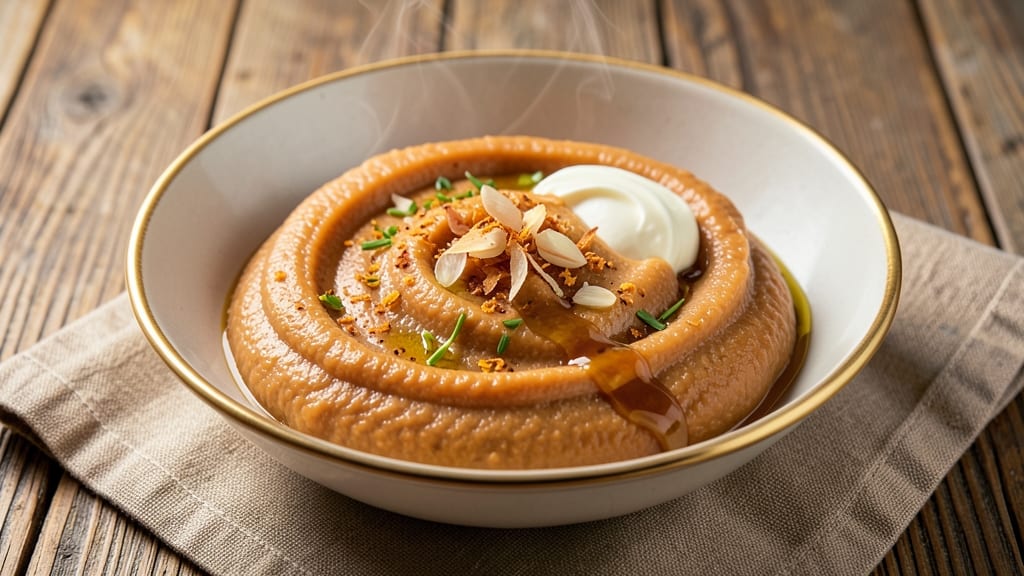
This sweet potato puree recipe transforms humble ingredients into a velvety, naturally sweet base that elevates everything from soups to desserts with endless ideas. 💛 The secret lies in slow-cooking and blending until silky smooth—no lumps, just pure, vibrant flavor that works in savory dishes or sweet treats.
I’ve perfected this technique over years of testing, ensuring it’s foolproof for home cooks while delivering restaurant-quality results.
What makes this puree special is its versatility—it’s rich enough to stand alone as a side dish but subtle enough to blend seamlessly into recipes. The natural sweetness reduces the need for added sugar, making it a healthier alternative to traditional mashed potatoes or cream-based sauces.
Plus, it’s packed with fiber and vitamins, turning a simple side into a nutritional powerhouse.
Imagine a creamy roasted sweet potato soup with a hint of cinnamon, or a moist, spiced cake where the puree replaces butter for a lighter texture. The possibilities are endless, and the best part?
It takes just 30 minutes to prepare. Whether you’re meal prepping for the week or whipping up a last-minute dessert, this puree is your secret weapon.
Ready to try it? Here’s how to make it—simple, adaptable, and guaranteed to impress. Let’s get started!
Ingredients for sweet potato puree recipe ideas
Eleven ingredients, endless possibilities—this velvety puree transforms sweet potatoes into a versatile base for both savory and sweet creations.
| Ingredient | Amount | Notes |
|---|---|---|
| Sweet Potatoes 🍠 | 2 lbs | Organic preferred, skin-on |
| Extra-Virgin Olive Oil 🫒 | ¼ cup | High quality, fruity |
| Fresh Ginger Root 🌿 | 2 tbsp | Peeled, grated finely |
| Garlic Cloves 🧄 | 4 cloves | Peeled, rough chopped |
| Vegetable Broth 💧 | 1 ½ cups | Low-sodium preferred |
| Unsalted Butter 🧈 | 2 tbsp | Cold, cubed for blending |
| Ground Cinnamon 🌶️ | 1 tsp | Freshly ground preferred |
| Sea Salt 🧂 | ½ tsp | Diamond Crystal preferred |
| Freshly Ground Black Pepper 🌶️ | ¼ tsp | Freshly cracked |
| Pure Vanilla Extract 🍯 | ½ tsp | Optional for sweet applications |
| Honey or Maple Syrup 🍯 | 2 tbsp | Adjust to taste, optional |
| Heavy Cream 🥛 | ½ cup | Full-fat for best texture |
The sweet potatoes are the foundation, so choose organic varieties with vibrant orange flesh for maximum sweetness and nutrients. Yukon Gold or Jewel varieties work best—they’re naturally moist and creamy. For even cooking, cut them into 2-inch chunks before roasting. If you’re short on time, microwave-steaming works too: pierce the potatoes, microwave for 10-12 minutes, then finish in the oven. The ginger and garlic should be freshly grated and chopped—pre-minced jarred ginger lacks the bright, zesty punch you want here. For the olive oil, California Extra Virgin brands like Corto or Lucini add a fruity depth that elevates the puree’s natural sweetness.
No fresh ginger? Dried ginger at one-third the amount works in a pinch, but it’s less vibrant. Substituting garlic with garlic powder at half the amount is possible, though the flavor will be milder. For a dairy-free version, replace the butter and heavy cream with avocado oil and coconut cream, though the texture will be slightly lighter. The cinnamon is non-negotiable for sweet applications—it enhances the natural sweetness beautifully. If you’re making this for savory dishes, reduce the cinnamon to half a teaspoon and add a pinch of smoked paprika for depth. The vanilla extract and honey/maple syrup are optional but game-changers for desserts; skip them entirely for savory uses like soups or mashed potato alternatives.
This puree freezes beautifully—portion into ice cube trays for easy single-use servings. For best results, cool it completely before transferring to airtight containers and storing for up to 3 months. Reheat gently in a saucepan or microwave, stirring occasionally to restore its silky texture. In the fridge, it keeps for 5-7 days, though I recommend using it within 3 days for peak freshness. For soups, add it at the end to maintain its velvety consistency, while for cakes and muffins, fold it in after removing from heat to preserve moisture.
Why You'll Love This Recipe
- One-Pot Magic: I swear by this recipe because it’s actually one-pot—just roast the sweet potatoes whole with olive oil, garlic, and ginger, then mash them with broth. No blender, no extra bowls, no stress. The skin even peels off effortlessly after roasting.
- Umami Bomb: That fresh ginger and garlic roasted into the sweet potatoes? It’s like a warm hug for your taste buds. The broth ties it all together with a depth that makes this puree taste like it simmered for hours—not just minutes.
- Meal Prep MVP: This puree keeps for days in the fridge and freezes beautifully. Use it as a soup base, a mashed potato swap, or even a pancake mix-in. Honestly, I’ve had it three ways in one week, and it never gets old.
- Budget-Friendly Luxury: Sweet potatoes are cheap, and a little olive oil, ginger, and garlic stretch this puree far. It’s the kind of dish where you get restaurant-quality richness without the price tag—or the guilt of takeout. (Yes, even on a Tuesday night.)
Step-by-step instructions for sweet potato puree
Transform humble sweet potatoes into a velvety, versatile puree perfect for baking and savory dishes.
🔥 Step 1: Roast Sweet Potatoes Until Fork-Tender
Preheat your oven to 400°F. Pierce the 2 lbs sweet potatoes with a fork in several places to allow steam to escape. Place them directly on the middle oven rack and roast for 45-50 minutes until their skins are wrinkled and a knife slides in easily. The sweet potatoes should yield slightly when pressed—this indicates perfect doneness.
Roasting develops deeper sweetness compared to boiling, and the skins stay intact, making peeling easier. If you prefer extra caramelization, broil for 2-3 minutes at the end, watching closely to prevent burning. Let them cool for 5 minutes before handling—they'll be dangerously hot right out of the oven.
👨🍳 Step 2: Peel and Steam for Silky Texture
While the sweet potatoes are still warm, slip off their skins using a paring knife or your fingers—they should peel away easily now. Cut the flesh into 1-inch chunks and transfer to a medium saucepan. Add 1.5 cups vegetable broth and bring to a gentle simmer over medium heat. Cover and cook for 5-7 minutes until the chunks are completely tender when pierced with a fork.
This steaming step is crucial for achieving a silky puree. The broth prevents the sweet potatoes from drying out and adds depth of flavor. If you notice the liquid evaporates too quickly, add a splash more broth—you want just enough to keep the sweet potatoes moist but not swimming.
🍳 Step 3: Blend with Fat for Rich, Creamy Results
Drain any remaining liquid from the sweet potato chunks and transfer them to a food processor or blender. Add the 0.25 cup extra-virgin olive oil, 2 tbsp unsalted butter, 2 tbsp finely grated fresh ginger root, 4 cloves rough chopped garlic cloves, 1 tsp ground cinnamon, 0.5 tsp sea salt, and 0.25 tsp freshly ground black pepper. Process on high until completely smooth, scraping down the sides as needed.
For an ultra-smooth puree, strain through a fine-mesh sieve if you prefer no texture. The fat from the olive oil and butter creates an incredibly rich, velvety consistency. Taste and adjust seasoning—you might need a touch more salt or cinnamon depending on your sweet potatoes' natural sweetness.
⏰ Step 4: Finish with Flavor Enhancers
Return the puree to the saucepan and warm gently over low heat for 2-3 minutes. Stir in the 0.5 cup heavy cream, 0.5 tsp pure vanilla extract, and 2 tbsp honey or maple syrup (if using). The mixture should be silky and fragrant, with a balance of sweet and savory notes. For a more refined texture, whisk vigorously until completely smooth.
This finishing step elevates the puree from simple to extraordinary. The cream adds luxurious body, while the vanilla and sweetener create a perfect balance for both sweet and savory applications. For immediate use, keep it warm over low heat. For storage, let it cool completely before refrigerating in an airtight container for up to 5 days.
Pro Tips For Making Sweet Potato Puree Recipe Ideas
- PEEL AFTER COOKING: Sweet potatoes are stubborn—peeling them raw wastes time and makes them dry out faster. Roast or boil them whole with skins on, then slip off the peel after cooking. You’ll save effort and keep more moisture in the puree.
- PEEL GINGER LIKE A PRO: That fibrous ginger skin is a pain to scrape. Hold the root over a cutting board, slice off the ends, then rub it against the board’s edge while pressing down—it’ll peel itself like magic. No more wasted time or sore fingers.
- SAVE THE STARCH: Drain your cooked sweet potatoes thoroughly before blending—don’t just shake off the water. A damp puree turns gluey, and no one wants that. Use a slotted spoon or colander to wring out every last drop.
- SALT THE BROTH HOT: Cold vegetable broth won’t infuse flavor—heat it first, then add salt. Let it simmer for 2 minutes before blending into your puree. The seasoning will distribute evenly, and you’ll taste the difference immediately. (Yes, even if you’re impatient like me.)
Troubleshooting perfect results
Lumpy Puree Fix
If your puree turns out grainy, it’s usually because the sweet potatoes weren’t fully cooked or the fat content was insufficient. First, ensure your sweet potatoes are fork-tender before blending—if they’re still slightly firm, steam them for another 3-5 minutes until completely soft.
For extra silkiness, add 1-2 extra tablespoons of butter or olive oil and blend again. If you’re using a high-speed blender, pulse in 1-tablespoon increments of liquid (broth or water) while blending to break down any stubborn lumps. 💡
Overly Dry Texture
Dry puree happens when too much moisture evaporates during cooking or blending. To prevent this, always steam the sweet potato chunks in vegetable broth (not water) to retain flavor and moisture.
If your puree is too thick after blending, whisk in 1-2 tablespoons of warm broth or heavy cream until smooth. For a richer texture, stir in an extra 1 tablespoon of butter while warming the puree.
I’ve found that Yukon Gold sweet potatoes hold moisture better than other varieties, so they’re my go-to for this recipe.
Bitter or Off-Flavor
Bitter notes can sneak in if the sweet potatoes were old or stored improperly. Always choose firm, vibrant orange sweet potatoes with smooth skins—avoid any with soft spots or green patches. If you’re using organic sweet potatoes, rinse them thoroughly before roasting to remove any dirt or pesticide residue.
For extra insurance, add a pinch of lemon zest (about ½ teaspoon) to the puree while blending—it brightens the flavor and cuts through any bitterness. 🌿
Puree Too Thin
If your puree is too watery, it’s likely because the sweet potatoes released too much liquid during cooking. To thicken it, simmer the puree uncovered over low heat for 5-7 minutes, stirring occasionally, to evaporate excess moisture.
For a quicker fix, stir in 1-2 tablespoons of cornstarch mixed with 1 tablespoon of cold water and simmer until thickened.
If you’re using the puree in a recipe like soup or muffins, reduce it slightly before adding it to the dish—this prevents sogginess in baked goods or dilution in soups.
Puree Separates When Reheated
Separation usually happens when the puree is reheated too quickly or with too much liquid. To fix this, gently warm the puree over low heat while stirring constantly with a whisk or immersion blender.
If it still separates, stir in 1 tablespoon of cold butter or olive oil to help re-emulsify it. For storage, always cool the puree completely before refrigerating—this prevents condensation and separation.
I like to store it in glass jars with a tight seal to maintain its texture for up to 5 days in the fridge.
Burnt or Overcooked Sweet Potatoes
Overcooked sweet potatoes can turn mushy and lose their natural sweetness. To avoid this, roast them at 400°F for no longer than 50 minutes, and check for doneness with a fork.
If you notice the edges are browning too quickly, move the pan to the lower oven rack for more even cooking. For extra caramelization without burning, finish under the broiler for just 1-2 minutes, keeping a close eye on them.
If your sweet potatoes are slightly undercooked, steam them for 5 minutes before blending—they’ll soften without turning mushy. 🔥
Nutrition facts
Frequently asked questions
Can I use this puree in vegan recipes?
Replace the butter with avocado oil and use coconut cream instead of heavy cream. For richness, add 1 tablespoon of nutritional yeast while blending—it adds a cheesy, umami depth perfect for vegan soups or mashed sides. The cinnamon and vanilla will still shine in desserts like vegan muffins or cheesecakes.
How do I adjust sweetness for savory dishes?
For soups or mashed potatoes, reduce the honey or maple syrup to just 1 tablespoon or omit it entirely. Boost savory flavors with ½ teaspoon smoked paprika or ¼ teaspoon cayenne pepper—these complement the natural sweetness without overpowering it. A squeeze of fresh lemon juice also brightens the flavor beautifully.
What’s the best way to store leftover puree?
Portion into airtight glass containers and refrigerate for up to 5 days, or freeze in ice cube trays for single-use servings (up to 3 months). For reheating, warm gently over low heat while stirring constantly to restore silkiness. Avoid microwaving—it can make the puree grainy.
Can I make this puree without a food processor?
Yes! Use a potato masher or whisk to break up the sweet potatoes after steaming. For extra creaminess, press the mashed sweet potatoes through a fine-mesh sieve to remove any lumps. The texture won’t be as silky, but it’ll still work well in soups, casseroles, or as a side dish.
Why does my puree turn out watery?
Watery puree usually means the sweet potatoes released too much liquid during cooking. To fix it, simmer the puree uncovered over low heat for 5-7 minutes to evaporate excess moisture. For baked goods, reduce the puree slightly before adding it to prevent sogginess. If you’re short on time, stir in 1 tablespoon of cornstarch mixed with 1 tablespoon of water and heat until thickened.