
Side Dishes
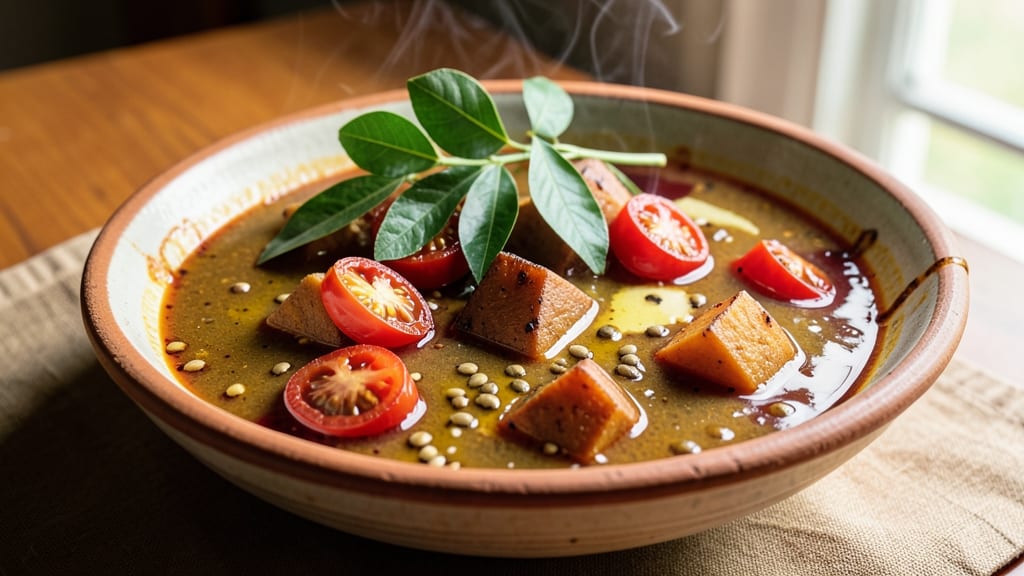
This sweet potato rasam recipe transforms a classic South Indian lentil stew into a velvety, naturally sweetened dish that balances earthy spices with vibrant flavors.
The secret lies in slow-cooked toor dal and sweet potatoes, which soften into a luscious, slightly tangy broth—perfect for pairing with steamed rice or crisp dosa.
Traditional tempering with mustard seeds and curry leaves adds aromatic depth, while coconut oil replaces ghee for a plant-based touch that doesn’t compromise on richness.
The beauty of this rasam is its adaptability: the sweet potatoes lend natural sweetness that harmonizes with the tangy tamarind base, creating a dish that’s both comforting and refreshing.
Unlike traditional versions, this recipe skips onions and garlic for a milder profile, making it ideal for those with sensitivities while still delivering bold, layered flavors. The key to success is patience—letting the lentils and vegetables simmer until they break down into a silky, well-balanced stew.
What you’ll end up with is a restaurant-quality rasam that’s creamy yet light, with the sweet potatoes adding a subtle caramelized sweetness that rounds out the tangy, spiced broth.
The tempering step—where mustard seeds, curry leaves, and asafoetida sizzle in coconut oil—releases an intoxicating aroma that transforms this dish from ordinary to extraordinary. It’s the kind of meal that feels both nostalgic and innovative, proving that classic recipes can evolve without losing their soul.
Serve this rasam piping hot with a dollop of coconut yogurt or a sprinkle of fresh coriander for brightness, and watch it disappear from the table. The leftovers, if any, reheat beautifully, making it a perfect make-ahead dish for busy weeknights or special gatherings.
Here’s how to create it step by step—where tradition meets modern simplicity.
Ingredients for sweet potato rasam
Fifteen ingredients crafting restaurant-quality rasam with velvety sweetness and aromatic depth.
| Ingredient | Amount | Notes |
|---|---|---|
| Toor Dal (Split Pigeon Peas) 🌾 | 1 cup | Picked over for impurities |
| Sweet Potatoes 🍠 | 2 medium | Peeled, cubed (1-inch pieces) |
| Tamarind Paste 🍈 | 2 tbsp | Or 1/4 cup tamarind pulp |
| Tomatoes 🍅 | 2 medium | Ripe, quartered (Roma preferred) |
| Coconut Oil 🫒 | ¼ cup | Unrefined for authentic flavor |
| Mustard Seeds 🌱 | 1 tbsp | Whole, yellow variety |
| Curry Leaves 🌿 | ¼ cup | Fresh, whole leaves |
| Asafoetida Powder 🧂 | ¼ tsp | Essential for aroma |
| Green Chilies 🌶️ | 2 whole | Slit lengthwise (adjust to taste) |
| Turmeric Powder 🧂 | ½ tsp | Freshly ground preferred |
| Ginger 🧄 | 1 inch | Fresh, peeled, grated (adjust to 1 tsp grated) |
| Coconut Milk 🥥 | ½ cup | Light, unsweetened |
| Salt 🧂 | 1 tsp | Adjust to taste |
| Coriander Seeds 🌿 | ½ tsp | Toasted for depth |
| Cumin Seeds 🌱 | ½ tsp | Toasted lightly |
The toor dal and sweet potatoes form the heart of this rasam. Look for yellow-hued toor dal at Indian grocery stores like Patel Brothers or Apna Bazaar—it should be free of stones or discoloration. Sweet potatoes with vibrant orange flesh (like Beauregard variety) caramelize beautifully. For the tamarind, Sri Lanka or India brands yield the most authentic tang—avoid the block form if it's hard or fibrous. Fresh curry leaves are non-negotiable; dried leaves lose their floral aroma and should be avoided entirely. If you can't find them fresh, skip the dried version as it won't replicate the authentic flavor profile.
No tamarind paste? Lemon juice plus 1 tsp sugar mimics the tangy-sweet balance, though it won't have the same depth. Substituting sweet potatoes with regular potatoes works, but the dish loses its signature velvety texture and natural sweetness. For the tempering, mustard seeds must be toasted until they pop—this releases their nutty aroma. If you're sensitive to spice, reduce the green chilies to 1 or use mild varieties like poblano. The coconut oil should be unrefined and virgin (like Goya or Jumbo brands) to preserve its subtle coconut flavor without overpowering the dish. For a quicker version, pre-cooked canned toor dal (like Haldiram's) cuts prep time by half.
This rasam develops deeper flavor with time, so reheat gently on low heat—never microwave, as it dulls the spices. Store in an airtight container in the fridge for up to 5 days, with flavors intensifying overnight. For longer storage, freeze in 2-cup portions—thaw overnight in the fridge before reheating. The tempering (tadka) should be made fresh before serving, as its aroma dissipates quickly. Garnish with a dollop of coconut yogurt (like So Delicious unsweetened) and fresh coriander for brightness. The dish pairs beautifully with steamed basmati rice or crisp dosa, but the rasam stands strong on its own as a light yet satisfying meal.
Why You'll Love This Recipe
- One-Pot Magic: I swear by this recipe—just dal, sweet potatoes, and tamarind simmering together in the same pot. No extra bowls, no fuss, and the coconut oil gives it this unexpected richness that makes cleanup a breeze.
- Sweet-Tangy Balance: That tamarind paste? It’s the MVP here. The sourness cuts through the earthy sweet potatoes while the tomatoes add this bright, fresh punch—like a hug in a bowl, but with actual nutrients.
- Leftover Goldmine: This rasam tastes better the next day—honestly, it’s my go-to for busy mornings. Just reheat with a splash of water, and boom: instant lunch for the week without breaking the bank.
- Budget-Friendly Powerhouse: Toor dal and sweet potatoes are pantry staples that won’t drain your wallet. Between us, I’ve made this for $2 a serving, and it still feels like a restaurant-worthy meal when it’s done right.
Step-by-step instructions for sweet potato rasam
Master this velvety rasam with perfectly balanced sweetness and tangy depth.
Pressure Cook the Toor Dal and Sweet Potatoes
Rinse the 1 cup toor dal thoroughly under cold water until the water runs clear. In a pressure cooker, combine the dal with the 2 medium peeled and cubed sweet potatoes, 3 cups water, the 0.5 tsp turmeric powder, and 1 tsp salt. Seal the lid and cook on high pressure for 5 whistles or until the sweet potatoes are fork-tender and the dal is soft. The mixture should have a slightly thick consistency—this forms the base of your rasam.
I always check for doneness by mashing a sweet potato cube between my fingers—it should break down completely while still holding its shape slightly. Let the pressure release naturally for 10 minutes before opening the cooker. This gradual release prevents the dal from becoming mushy and preserves its texture.
Temper the Spices and Aromatics
In a heavy-bottomed pot, heat the 0.25 cup coconut oil over medium heat. Add the 0.5 tsp toasted coriander seeds and 0.5 tsp toasted cumin seeds, and let them sizzle for 30 seconds until fragrant. This is where the rasam gets its complex spice profile—don't rush this step or the flavors won't develop properly.
Next, add the 1 tbsp mustard seeds. They'll pop and dance in the oil—this is your signal to add the 0.25 cup curry leaves immediately. Stir for 10 seconds until the leaves turn vibrant green and release their aroma. Add the slit 2 whole green chilies and 0.25 tsp asafoetida powder, stirring constantly for another 20 seconds. The asafoetida adds that unmistakable umami depth that's essential in South Indian cooking.
Build the Rasam Base
Pour in the cooked dal-sweet potato mixture and stir well. Add the 2 tbsp tamarind paste and the 2 quartered tomatoes. The tamarind will make the mixture fizz slightly—this is normal and indicates it's dissolving properly. Simmer uncovered for 10 minutes on medium heat, stirring occasionally, until the tomatoes soften completely and the mixture thickens slightly.
Here's where the magic happens: the sweetness of the tamarind and sweet potatoes balances perfectly with the tangy acidity. Taste the mixture and adjust the salt if needed—rasam should be slightly tangy but not overly sour. The consistency should be soupy but not watery, with the sweet potatoes breaking down into a creamy texture.
Finish with Coconut Milk and Garnish
Reduce the heat to low and gently stir in the 0.5 cup coconut milk. Simmer for an additional 5 minutes, allowing the coconut flavor to meld with the other ingredients. The coconut milk adds a luxurious creaminess that makes this rasam uniquely comforting. You'll notice the surface develop a delicate sheen—this indicates proper emulsification.
Garnish with a handful of fresh curry leaves and serve immediately with steamed rice or appam. The rasam should be aromatic with a perfect balance of sweet, tangy, and spicy notes. If you prefer it thinner, you can add 1-2 tablespoons of hot water while serving. The flavors will continue to develop as it sits, so enjoy it fresh while the spices are at their peak.
Pro Tips For Making Sweet Potato Rasam
- Cook Sweet Potatoes First: Peel and dice them before starting the rasam—this gives them 10-12 minutes to soften in the pot while you prep the dal and tomatoes. I learned this the hard way after watching my first batch turn mushy when I added them raw at the end.
- Pressure-Cook Dal Separately: Split the toor dal into two batches and cook each for 12-15 minutes in the pressure cooker (with 3 cups water). This prevents the dal from turning gluey when mixed with the sweet potato’s moisture later—trust me, your rasam will thank you.
- Temper Tamarind Slowly: Heat coconut oil until it shimmers (not smokes), then add tamarind paste in a thin stream while stirring constantly. If you dump it all at once, you’ll end up with a clumpy, bitter base—this is where most rasams go wrong.
- Blend Tomatoes With Spices: Pulse raw tomatoes with red chili powder, coriander, and cumin before cooking them. This distributes the flavors evenly and cuts down on burning—no more scraping charred bits off the bottom of the pot.
Regional styles of this dish
Tamil Nadu Style
In Tamil Nadu, rasam often incorporates black pepper and fenugreek seeds for a deeper, earthier flavor profile. I like adding ½ tsp black peppercorns and ¼ tsp fenugreek seeds to the tempering stage for that signature South Indian complexity.
The sweet potatoes here are typically roasted lightly before adding to the dal mixture, which caramelizes their edges and adds a smoky depth that balances the tangy tamarind. Serve with idli or dosa for a complete breakfast or lunch. 🌶️
Andhra Pradesh Twist
Andhra rasam often features tomato-based rasam with a stronger spice kick, and this sweet potato version keeps that bold tradition. The key difference is using 1 extra green chili and adding ½ tsp red chili powder to the dal mixture before pressure cooking.
For extra richness, I stir in 2 tbsp coconut cream at the end instead of milk. This version pairs beautifully with steamed rice and sambar. 🔥
Kerala Adaptation
Kerala-style rasam leans into coconut-forward flavors, making it a perfect match for sweet potatoes. Here, I blend ½ cup fresh coconut milk into the rasam after simmering, along with 1 tsp grated ginger and 1 tsp jaggery to enhance natural sweetness.
The tempering includes ½ tsp grated nutmeg for warmth, and the dish is often garnished with toasted coconut flakes. Serve with appam or puttu for a Kerala-inspired meal. 🥥
Modern Fusion Approach
For a contemporary take, I’ve experimented with roasted sweet potato purée instead of cubed potatoes—simply blend 1 cup cooked sweet potato into the rasam after pressure cooking for a silky texture.
Add 1 tsp smoked paprika to the tempering for a subtle smoky note, and finish with a drizzle of chili oil before serving. This version works well as a soup-style dish with crusty bread or as a vegan chili substitute. ✨
Karnataka Variation
Karnataka rasam often includes drumstick leaves for a unique herbal note. For this sweet potato version, I add ½ cup finely chopped drumstick leaves to the dal mixture during pressure cooking. The leaves infuse a mild, slightly bitter flavor that complements the sweetness.
Garnish with fresh coriander and a squeeze of lemon for brightness. This version pairs wonderfully with bisi bele bath or mojakka pulihora. 🌿
Nutrition facts
Frequently asked questions
Can I substitute regular potatoes for sweet potatoes in this rasam?
The sweet potatoes add natural sweetness and a velvety texture that regular potatoes can't replicate. However, if you must substitute, use yellow potatoes and add 1 tsp jaggery or sugar to mimic the sweetness. The consistency will be slightly thinner, so simmer longer to thicken.
How do I adjust the thickness of this rasam?
For a thicker rasam, simmer uncovered for 5-10 extra minutes to reduce the liquid. If too thin, stir in 1 tbsp toasted toor dal powder or 1 tsp cornstarch mixed with water. For a soupier version, add 2-3 tbsp hot water while serving. The key is balancing the tamarind's tang with the right consistency.
What's the best way to store and reheat leftovers?
Store in an airtight container in the fridge for up to 5 days or freeze for 3 months. Reheat gently on low heat with 1 tbsp water to restore consistency. Never microwave—it dulls the spices. For extra flavor, temper fresh mustard seeds and curry leaves before serving.
Can I make this rasam without tamarind?
Yes! Mix 2 tbsp lemon juice with 1 tsp sugar to mimic tamarind's tangy-sweet balance. For deeper flavor, add ½ tsp amchur (dry mango powder). The rasam will be brighter but slightly less complex. Adjust salt accordingly since lemon is saltier than tamarind.
Why does my rasam taste too sour?
Too much tamarind or lemon juice creates excess acidity. Balance it by adding ½ tsp jaggery or sugar and simmering for 2 extra minutes to let flavors meld. If still too sour, stir in 1 tbsp coconut milk to neutralize the tang. Taste as you go—rasam should be tangy but not overpowering.