
Side Dishes
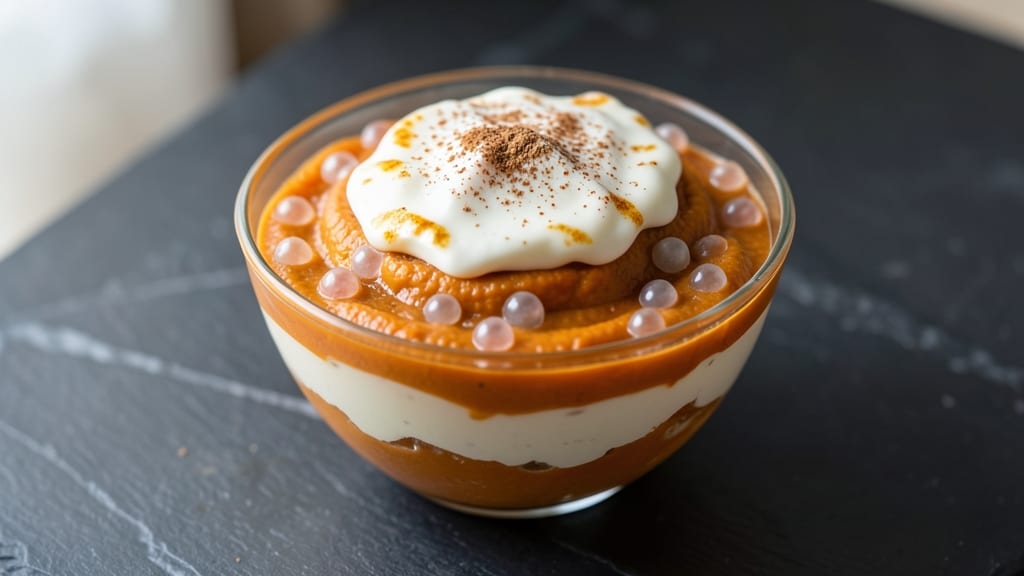
This sweet potato sago dessert transforms humble ingredients into a velvety, spiced masterpiece that feels like a warm hug in every bite. ✨ The secret lies in perfectly cooked sweet potatoes blended into a silky purée, then folded with chewy sago pearls and a whisper of warm spices—cinnamon, nutmeg, and cardamom—that dance on your tongue like autumn leaves.
The magic happens when you layer the sweet potato mixture with toasted coconut flakes and a hint of vanilla, creating a spice swirl that ties everything together. This dessert is naturally sweetened, making it lighter than traditional coconut-based treats while still delivering that rich, tropical comfort you crave.
The sago pearls add delightful texture, absorbing the sweet potato’s velvety goodness without overpowering it.
What you’ll end up with is a dessert that’s elegant yet approachable—creamy yet slightly chewy, with warm spices that make it feel like a hug from your favorite kitchen.
It’s the perfect balance of tropical and comforting, ideal for special occasions or when you want to impress without fuss. Ready to create this silky delight?
The best part? This recipe is foolproof—no complicated techniques, just a few key steps that come together beautifully. Whether you’re serving it at a gathering or treating yourself to a cozy dessert night, this sweet potato sago creation will leave everyone asking for seconds. Let’s get started!
Ingredients for sweet potato sago dessert
Six ingredients create this velvety dessert with tropical warmth and autumn spice.
| Ingredient | Amount | Notes |
|---|---|---|
| Sweet Potatoes 🍠 | 2 lbs | Orange-fleshed, peeled and cubed |
| Sago Pearls (Sago Starch) 🌾 | ½ cup | Rinsed before cooking |
| Unsweetened Coconut Milk 🥥 | 13 ½ oz | Full-fat can for richness |
| Granulated Sugar 🍚 | ½ cup | Or coconut sugar |
| Ground Cinnamon 🌿 | 1 ½ tsp | Freshly ground preferred |
| Ground Nutmeg 🌿 | ½ tsp | Freshly grated nutmeg |
| Ground Cardamom 🌿 | ¼ tsp | Optional but recommended |
| Vanilla Extract 🍯 | 1 tsp | Pure vanilla preferred |
| Toasted Coconut Flakes 🥥 | ¼ cup | Lightly toasted in dry pan |
| Salt 🧂 | ¼ tsp | Fine sea salt |
| Unsalted Butter 🧈 | 2 tbsp | For richness in purée |
| Heavy Cream 🥛 | ½ cup | For silky texture |
Sweet potatoes are the heart of this dessert—orange-fleshed varieties like Jewel or Beauregard work best. Costco or Trader Joe's usually have them pre-peeled for convenience, but if you're buying whole, roast them first at 400°F until tender. The sago pearls? Asian markets carry them in bulk—just rinse well before cooking to remove excess starch. For coconut milk, full-fat canned versions give the best creaminess, though light works in a pinch. If you're feeling fancy, toast your own coconut flakes in a dry pan until golden—they add a lovely crunch.
No cardamom? Skip it or swap for extra cinnamon. Running low on vanilla? Vanilla bean paste works too. The butter and cream are non-negotiable for that silky texture, but if you're dairy-free, coconut cream and vegan butter blend beautifully. Sugar substitutes? Maple syrup or date syrup at half the amount keeps it naturally sweetened. For the sago, if you can't find pearls, tapioca pearls are a decent substitute—just cook them 10 minutes longer. The spices? Pre-ground is fine, but freshly grated nutmeg makes all the difference.
Store leftover purée in the fridge for 3-4 days, covered with plastic wrap pressed directly on the surface. The sago pearls keep for 1 week in the fridge if stored dry in an airtight container. For the full dessert, assemble just before serving—the coconut flakes stay crunchy that way. If making ahead, bake the sago mixture in ramekins and refrigerate. Reheat gently in the microwave with a splash of coconut milk for 10 seconds to restore creaminess. Freezes beautifully for up to 2 months—just thaw overnight in the fridge before serving.
Why You'll Love This Recipe
- No Boiling Madness: I’ll be real—sago pearls used to stress me out. Not here. Just simmer them in coconut milk for 15 minutes, and they turn into those perfect, jelly-like bites without sticking to the pot. (Yes, even on a Tuesday night.)
- Warm Spice Magic: That cinnamon-sweetened coconut milk? It’s the secret weapon. The roasted sweet potato adds earthy depth, while the sago soaks up the creamy, lightly spiced syrup—like a hug in dessert form. Honestly, I’ve never met a kid (or adult) who didn’t finish their bowl.
- Make-Ahead Miracle: This dessert actually improves overnight. The flavors meld, the texture gets even better, and it’s perfect for potlucks or lazy Sunday mornings. Just reheat with a splash of coconut milk, and no one will guess it’s been sitting in the fridge for days.
- Pantry Staple Power: Sweet potatoes and sago pearls? You’re probably already stocked. No exotic ingredients, no last-minute grocery runs—just a few things you likely have lingering. And the leftovers? They’re the reason I always double the batch.
Step-by-step instructions for sweet potato sago dessert
Here's how to create a velvety coconut dessert with spiced sweet potatoes and chewy sago pearls.
🍳 Step 1: Roast Sweet Potatoes Until Silky
Preheat your oven to 400°F. Toss the 2 lbs sweet potatoes (peeled and cubed) with 1 tablespoon olive oil, ½ teaspoon salt, and ½ teaspoon cinnamon. Spread them on a baking sheet in a single layer—they need room to brown, not steam.
Roast for 25-30 minutes until fork-tender with caramelized edges. You'll know they're perfect when they collapse slightly under pressure and smell sweetly nutty. Transfer them to a food processor while still warm and add the 2 tablespoons unsalted butter and ½ cup heavy cream. Pulse until completely smooth—this creates your rich purée base.
👨🍳 Step 2: Cook Sago Pearls in Coconut Milk
In a medium saucepan, combine the 0.5 cup rinsed sago pearls with 13.5 oz unsweetened coconut milk and 0.5 cup granulated sugar. Bring to a gentle boil over medium heat, then immediately reduce to a simmer. Here's where it gets important: stir constantly for 15-20 minutes until the pearls are translucent and the mixture thickens to a pudding-like consistency.
You'll notice the sago pearls start small and gradually swell—this is normal. If the mixture looks too thick before the pearls are fully cooked, add 2 tablespoons hot water to loosen it. Remove from heat and stir in the 1 teaspoon vanilla extract, 0.5 teaspoon nutmeg, and 0.25 teaspoon cardamom.
🥘 Step 3: Combine and Layer for Perfect Texture
Pour the warm sweet potato purée into a 6-inch round baking dish or individual serving ramekins. Spread it evenly—this creates your flavor base. Let it cool slightly (about 5 minutes) until it's warm but not hot to the touch.
Spoon the sago pearl mixture over the purée, creating a marbled effect by gently swirling with a spoon. Sprinkle the 0.25 cup toasted coconut flakes evenly on top. The contrast between the creamy purée and chewy pearls is what makes this dessert special. Chill in the refrigerator for at least 2 hours (or overnight) to let flavors meld.
🔥 Step 4: Warm and Serve for Ultimate Comfort
Just before serving, gently warm the dessert in the microwave for 30-45 seconds (or until the center is warm through). The sweet potatoes should be comfortably warm, not hot. This step brings out the aromatic spices and makes the coconut flavor sing.
Serve immediately with an extra sprinkle of toasted coconut flakes. The texture should be luxurious—smooth purée with chewy sago pearls that pop between your teeth. Each bite delivers warm spice, creamy coconut, and that natural sweetness from the roasted sweet potatoes.
Pro Tips For Making Sweet Potato Sago Dessert
- Boil Sweet Potatoes Until Fork-Tender: I learned this the hard way—undercooked sweet potatoes turn to mush when mashed, and nobody wants that. Cut them into even chunks and boil until they pierce easily with a fork (about 12-15 minutes). Overcooking? No problem—they’ll still mash smoothly, but you’ll waste energy.
- Rinse Sago Before Cooking: Unrinsed sago pearls clump like glue, and no one wants a dessert with sticky lumps. Give them a quick rinse under cold water before adding to the coconut milk—it cuts down on grittiness and keeps them light.
- Simmer Coconut Milk Low and Slow: Coconut milk scalds faster than you think, and curdling it ruins the whole dish. Keep the heat at a gentle simmer (not a rolling boil) while cooking the sago, stirring occasionally. A broken thermometer? Just watch for tiny bubbles—barely there, like a whisper.
- Add Cinnamon Last: If you toss cinnamon in early, it burns before the sago is done, leaving a bitter aftertaste. Sprinkle it in the last 2 minutes of cooking—just enough to warm through, not toast. (And yes, a pinch more at the end never hurt anyone.)
Storing and reheating your sweet potato sago dessert
Refrigerator Storage
Store the assembled dessert in an airtight container with plastic wrap pressed directly onto the surface to prevent drying. The sweet potato purée stays fresh for 3-4 days, while the sago pearls maintain their chewy texture for up to 5 days when refrigerated at 40°F or below.
I like to portion it into individual ramekins before chilling—this makes serving effortless later. 🥥
Freezer-Friendly Tips
This dessert freezes beautifully for up to 2 months without texture loss. Assemble it completely in a freezer-safe baking dish, cover tightly with parchment paper and plastic wrap, then label with the date.
When ready to serve, thaw overnight in the fridge and warm gently in the microwave with a splash of coconut milk for 10 seconds to restore creaminess. 🧊
Reheating Perfection
For the best texture, reheat individual portions in the microwave for 30-45 seconds on 50% power. If using a stovetop, warm in a small saucepan with 2 tablespoons coconut milk over low heat for 3-4 minutes, stirring constantly.
Never overheat—just until the center reaches 110°F to preserve the silky consistency. 🔥
Make-Ahead Secrets
Prepare the sweet potato purée and sago mixture separately up to 2 days ahead, then refrigerate in separate containers. Assemble just before serving to keep the coconut flakes perfectly crisp.
For a head-start, bake the sago mixture in ramekins and refrigerate—simply reheat before adding the purée layer. This works especially well for holiday gatherings. ⏰
Texture Preservation
The key to maintaining texture is minimal moisture exposure. When storing leftovers, place a paper towel on top before sealing the container to absorb any excess condensation. For reheating, always cover with a microwave-safe lid or damp paper towel to prevent drying.
The sago pearls should remain chewy, not mushy—this is your quality control indicator. 💡
Serving Suggestions
Serve warm or at room temperature for the best flavor experience. Pair with a dollop of whipped coconut cream or a sprinkle of crushed pistachios for added crunch. For a festive touch, garnish with edible gold leaf or a dusting of cinnamon sugar.
The contrast of warm spices and cool coconut cream makes this dessert feel extra special. ✨
Nutrition facts
Frequently asked questions
Can I substitute sago pearls with another ingredient?
Yes! If you can't find sago pearls, try tapioca pearls (they cook faster) or small pearl tapioca (like those used in bubble tea). For a different texture, swap with quinoa or rice, but the chewy consistency will change. The key is to rinse your substitute well first to remove excess starch.
How do I know when the sweet potatoes are perfectly cooked?
Your sweet potatoes are done when they're fork-tender with slightly caramelized edges. They should collapse easily under gentle pressure and smell sweetly nutty. If they're still firm, roast 5-10 minutes longer—overcooking turns them dry. The warm, silky texture is what makes this dessert special!
Can I make this dessert dairy-free?
Replace the butter with coconut oil and use coconut cream instead of heavy cream. For the sago mixture, stick with coconut milk—it's already dairy-free. The texture will still be rich and velvety, just with a more pronounced tropical flavor.
Why did my sago pearls turn mushy?
Mushy sago pearls usually mean they were overcooked or stirred too aggressively. Keep heat at a gentle simmer and stir just enough to prevent sticking. If the mixture thickens too quickly, add 1-2 tablespoons hot water to loosen it. For best results, cook until just translucent—don't wait for them to turn completely clear!
Can I use canned sweet potatoes instead of fresh?
Yes, but fresh roasted sweet potatoes give the best flavor and texture. If using canned, drain well and heat them in a saucepan with 1 tablespoon butter until completely smooth. You may need to add 1-2 tablespoons extra coconut milk to reach the same creamy consistency as fresh purée.