
Side Dishes
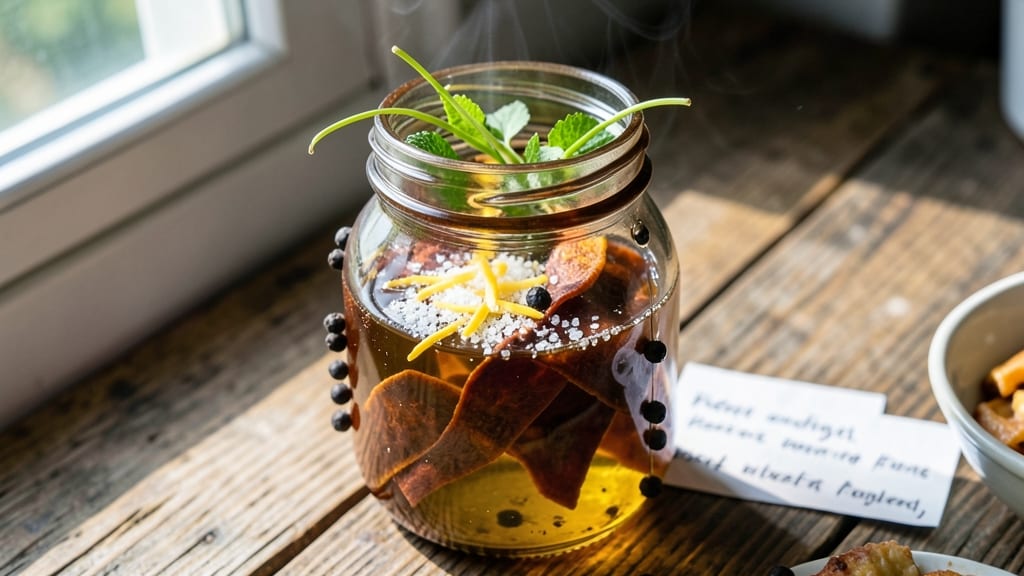
This sweet potato vinegar recipe transforms humble kitchen ingredients into a bright, tangy elixir that elevates roasted dishes from ordinary to extraordinary. The process is surprisingly straightforward—fermenting sweet potato peels in apple cider vinegar creates a vibrant, slightly sweet-savory drizzle packed with umami depth.
What makes this recipe special is its versatility: use it as a marinade, salad dressing, or finishing drizzle for roasted vegetables and proteins.
The key to success lies in patience and proper fermentation. Sweet potato peels contain natural enzymes that work with vinegar to develop complex flavors over time—typically 3 to 5 days, depending on your climate.
Unlike store-bought vinegars, this homemade version retains the earthy sweetness of sweet potatoes while delivering a sharp tang that cuts through rich flavors. The result is a condiment that's equal parts functional and impressive, perfect for adding restaurant-quality depth to home-cooked meals.
By the time you're done, you'll have a small jar of golden-hued vinegar that's ready to transform your cooking. The aroma alone—bright, slightly funky, and subtly sweet—will draw everyone to the table. This isn't just another vinegar substitute; it's a flavor multiplier that turns simple roasted dishes into showstoppers.
The best part? It keeps well in the refrigerator for up to 3 months, so you can make a batch and enjoy it all season long.
Whether you're drizzling it over crispy roasted sweet potatoes, using it as a base for vinaigrettes, or incorporating it into marinades, this sweet potato vinegar will become your secret weapon.
The process is simple enough for beginners but sophisticated enough to impress seasoned cooks. Let's get started on creating this bright, tangy condiment that's as functional as it is delicious.
Ingredients for sweet potato vinegar
Eight simple ingredients transform into a golden, tangy elixir perfect for roasted dishes.
| Ingredient | Amount | Notes |
|---|---|---|
| Sweet Potato Peels 🍠 | 2 cups | Fresh, organic preferred |
| Apple Cider Vinegar 🍏 | 2 cups | Raw, unfiltered preferred |
| Granulated Sugar 🍚 | ½ cup | White or raw cane sugar |
| Fresh Ginger 🌿 | 1 ½ oz | Grated, peeled, fresh root |
| Sea Salt 🧂 | 1 tsp | Fine grain preferred |
| Black Peppercorns 🌶️ | ½ tsp | Crushed, whole preferred |
| Fresh Garlic Cloves 🧄 | 2 cloves | Peeled, whole preferred |
| Fresh Thyme Leaves 🌿 | ¼ cup | Chopped, stems removed |
The sweet potato peels are the star here—organic, vibrant orange peels work best for maximum flavor. Trader Joe's or local farmers markets often have sweet potatoes with thicker skins, perfect for peeling. Apple cider vinegar should be raw and unfiltered for the best flavor profile—Bragg or Texas Pete are solid choices. Fresh ginger is non-negotiable; the dried stuff lacks the bright punch this recipe needs. Look for plump, firm ginger roots with tight skin—those wrinkly, shriveled ones are past their prime. The garlic and thyme should be fresh, not dried, for that bright herbal note that carries through the fermentation process.
No fresh ginger? Substitute with 0.5 tsp ground ginger, but it won't have the same depth. Running low on thyme? Fresh rosemary at half the amount works in a pinch. The sugar is crucial—it feeds the fermentation process, so don't skip it. Want more heat? Add a pinch of cayenne or red pepper flakes. The salt and pepper are simple but essential for balancing the sweetness. If you're using a vinegar with less acidity, add an extra tablespoon of lemon juice to compensate. The garlic cloves can be minced or left whole—your call, but whole cloves infuse more gently over time.
This vinegar develops best in a clean, sterilized glass jar—mason jars work perfectly. Store it in a cool, dark place (like your pantry) for 3-5 days, giving it a gentle shake each day. Once it reaches your desired tang, transfer to the fridge where it'll keep for up to 3 months. The flavor actually improves with time, so don't rush it. Strain out the solids before using if you prefer a smooth drizzle, or leave them in for extra texture. The infused peels can be composted—no waste here!
Why You'll Love This Recipe
- Zero-Waste Magic: I swear by this trick—sweet potato peels that would’ve gone straight to the compost? Now they’re the star of a tangy, golden elixir. No extra shopping, no guilt, just pure resourcefulness.
- Ginger-Zing Tang: That first sip hits like a cozy hug—bright apple cider vinegar meets warm ginger’s kick, with just enough sweetness to balance. It’s the kind of flavor that makes you reach for a second pour without thinking.
- Meal Prep MVP: Stash this in your fridge for weeks—drizzle over roasted veggies, toss in salads, or sip it straight. Honestly, I’ve used it in everything from marinades to cocktails, and it never lets me down.
- Pocketbook Perk: A jar of this costs pennies compared to store-bought dressings or fancy tonics. Fresh ginger and vinegar stretch forever, and the sugar? You already have it. Budget win, flavor win.
Step-by-step instructions for sweet potato vinegar
Here's how to transform humble sweet potato peels into a vibrant, aromatic vinegar that elevates every roasted dish.
Prepare the Sweet Potato Base
Start by thoroughly rinsing the 2 cups of sweet potato peels under cold water to remove any dirt or residue. I like to pat them completely dry with paper towels—this prevents excess moisture from diluting our final product. Place the peels in a clean glass jar with a tight-sealing lid.
Add the 2 cups of apple cider vinegar to the jar, making sure the peels are fully submerged. Seal the jar tightly and give it a gentle shake to distribute the vinegar evenly. This initial soak helps extract the natural sweetness and nutrients from the peels into the vinegar. Let it sit at room temperature for 24 hours—this kickstarts the infusion process before we add our flavor boosters.
Add Aromatics and Sweetener
After the initial 24-hour soak, open the jar and add the grated 1.5 oz of fresh ginger, minced 2 cloves of garlic, and chopped 0.25 cup of fresh thyme leaves. Stir everything together gently to ensure the aromatics are well-distributed throughout the liquid. The ginger will add a warm, slightly spicy depth, while the garlic and thyme contribute bright, herbal notes that complement the sweet potato's natural sweetness.
Now add the 0.5 cup of granulated sugar and 1 tsp of sea salt. Stir again until the sugar and salt are completely dissolved. The sugar helps balance the vinegar's acidity while promoting fermentation, and the salt enhances all the flavors. Crush the 0.5 tsp of black peppercorns between your palms or with a mortar and pestle before adding them to the jar—their oils will infuse more thoroughly when released. Seal the jar tightly once more.
Ferment for Flavor Development
Place the sealed jar in a dark, warm spot—somewhere between 70-75°F works best. I keep mine in my pantry, away from direct sunlight. Let it ferment for 7 days, opening the jar once daily to stir gently and release any built-up gases. You'll notice the color deepen to a beautiful amber hue, and the aroma will become rich and complex—think sweet potato meets warm spice with a tangy kick.
After 7 days, taste the mixture. It should be pleasantly sweet-tart with noticeable depth from the ginger and garlic. If you prefer a more intense flavor, continue fermenting for another 3-5 days, tasting daily. The longer it ferments, the more complex the flavor becomes, but don't exceed 14 days total or the vinegar may become too acidic.
Strain and Bottle
Once the flavor reaches your desired intensity, it's time to strain. Line a fine-mesh strainer with cheesecloth or a coffee filter and place it over a clean glass bowl. Pour the vinegar mixture through the strainer, pressing gently on the solids to extract all the liquid. Discard the peels and aromatics—they've done their job.
Transfer the strained vinegar to clean glass bottles or jars, leaving about ½ inch of headspace at the top. Seal tightly and store in a cool, dark place. Your sweet potato vinegar will continue to mellow and improve over the next 2-4 weeks, but it's ready to use immediately. The result should be a bright, tangy drizzle with layers of sweet potato sweetness, warm ginger, and herbal complexity—perfect for enhancing roasted vegetables, grilled meats, or even drizzled over fresh salads.
Pro Tips For Making Sweet Potato Vinegar
- Blanch Peels First: Dump those sweet potato peels straight into vinegar, and you’ll end up with a murky, bitter liquid. Instead, blanch them in boiling water for 30 seconds first—this softens the skins and pulls out the dirt without turning your vinegar into sludge. I learned this the hard way after making a batch that tasted like a swamp.
- Use Raw Ginger: My first few batches called for grated cooked ginger, and the flavor was flat. Raw ginger—peeled and finely grated—adds a sharp, fresh bite that actually cuts through the sweetness. No need to cook it; just toss it in whole or grated with the peels.
- Don’t Rush the Steep: Three days in the fridge is the minimum—four to five is where the magic happens. I used to pull it out at 48 hours, impatient, and the flavor was weak. Let it sit; the longer it steeps, the deeper the caramel notes from the peels and the smoother the ginger’s heat.
- Strain Twice: One pass through a fine-mesh strainer leaves behind gritty bits. Do it twice: first with a colander to catch big chunks, then with cheesecloth or a coffee filter for a silky finish. Yes, it’s extra work, but your vinegar won’t taste like you skimped.
Pro cooking tips for this recipe
Fermentation Temperature
The ideal fermentation temperature range is 70-75°F—this creates the perfect environment for flavor development without risking spoilage. I keep my jar in a pantry closet where it stays consistently warm.
If your kitchen is cooler (below 65°F), consider placing the jar near a sunny window or using a small heating pad on low setting. Conversely, if it's above 80°F, move it to a cooler spot to prevent over-fermentation.
A digital thermometer placed near the jar helps monitor temperature precisely. 🌡️
Daily Stirring Routine
Stirring your vinegar mixture once daily is crucial for even flavor infusion and preventing mold growth. I use a clean wooden spoon to gently agitate the contents, ensuring the sweet potato peels and aromatics release their oils fully.
The first few days are especially important—this is when the most dramatic flavor changes occur. If you forget to stir for a day, don't worry; just resume the next day. The fermentation process remains safe as long as you maintain proper temperature control.
Taste Testing Timeline
Start tasting your vinegar after 5 days of fermentation to gauge progress. At this stage, you should notice a subtle sweetness with emerging tang. By 7 days, the flavor should be noticeably more complex, with distinct notes of ginger and garlic.
For a deeper, more intense profile, extend fermentation to 10-14 days, but never exceed this window—beyond 14 days, the vinegar risks becoming overly acidic and unbalanced. I find that 9-10 days strikes the perfect balance between sweetness and tang for my roasted dishes.
Straining Techniques
Use a fine-mesh strainer lined with cheesecloth or a coffee filter to strain your vinegar for the smoothest texture. Press the solids gently with a wooden spoon to extract every last drop of flavorful liquid.
For a more rustic look, leave the peels and aromatics in—this adds subtle texture and visual appeal. If you prefer a completely clear drizzle, strain twice using fresh cheesecloth. The strained solids can be composted or used as a flavorful addition to homemade broths. ✨
Storage and Shelf Life
Once strained, transfer your sweet potato vinegar to sterilized glass bottles with airtight lids. Store in a cool, dark place like your pantry, where it will continue to mellow for 2-4 weeks. For long-term storage (up to 3 months), move the bottles to the refrigerator.
The vinegar's flavor actually improves with time, developing deeper complexity. If you notice any cloudiness or off odors, discard it immediately—this indicates spoilage. Properly stored, this homemade condiment will keep its vibrant qualities for months. ❄️
Flavor Adjustments
Need more sweetness? Add 1-2 tsp of honey or maple syrup per ½ cup of vinegar. For extra tang, mix in 1 tsp of lemon juice. Want heat? A pinch of cayenne or red pepper flakes adds a nice kick.
If the flavor feels too sharp, dilute with 1 part water to 2 parts vinegar. I often adjust my batches based on the dish I'm preparing—roasted meats benefit from a bolder, more complex profile, while salads work better with a lighter touch. Taste as you go! 🌶️
Nutrition facts
Frequently asked questions
Can I use regular white vinegar instead of apple cider vinegar?
While you can substitute white vinegar, you'll lose the rich, complex flavor that apple cider vinegar provides. The raw, unfiltered version adds subtle sweetness and depth that white vinegar simply can't match. If you must use white vinegar, add an extra 1 teaspoon of honey to compensate for the lack of natural sweetness.
How do I know when the fermentation is complete?
Taste your vinegar daily starting on day 5. It's ready when it develops a balanced sweet-tart flavor with noticeable ginger and garlic notes. The color should deepen to a rich amber. If it tastes too sharp or acidic, strain and dilute with a bit of water. Over-fermenting beyond 14 days can make it unpleasantly sour.
What can I do with the leftover sweet potato peels?
Don't throw them away! Compost them for your garden, or use them to make a flavorful homemade broth. Simply simmer the peels with water, garlic, and thyme for 30 minutes, then strain. The resulting liquid makes a fantastic base for soups or braises. Alternatively, dehydrate them for a sweet potato powder to use in baking.
Can I make this vinegar without fresh ginger?
Yes, but the flavor will be less vibrant. Substitute ½ teaspoon of ground ginger for the fresh version, though it won't have the same bright punch. For extra warmth, add a pinch of cinnamon or allspice. The recipe still works, but the depth of flavor will be noticeably different. Fresh ginger is definitely preferred for that authentic taste!
How should I store my sweet potato vinegar?
Transfer the strained vinegar to clean, sterilized glass bottles with airtight lids. Store in a cool, dark place like your pantry for up to 2-4 weeks as it continues to mellow. For longer storage (up to 3 months), refrigerate. The vinegar's flavor actually improves with time, so don't rush to use it all at once!