
Side Dishes
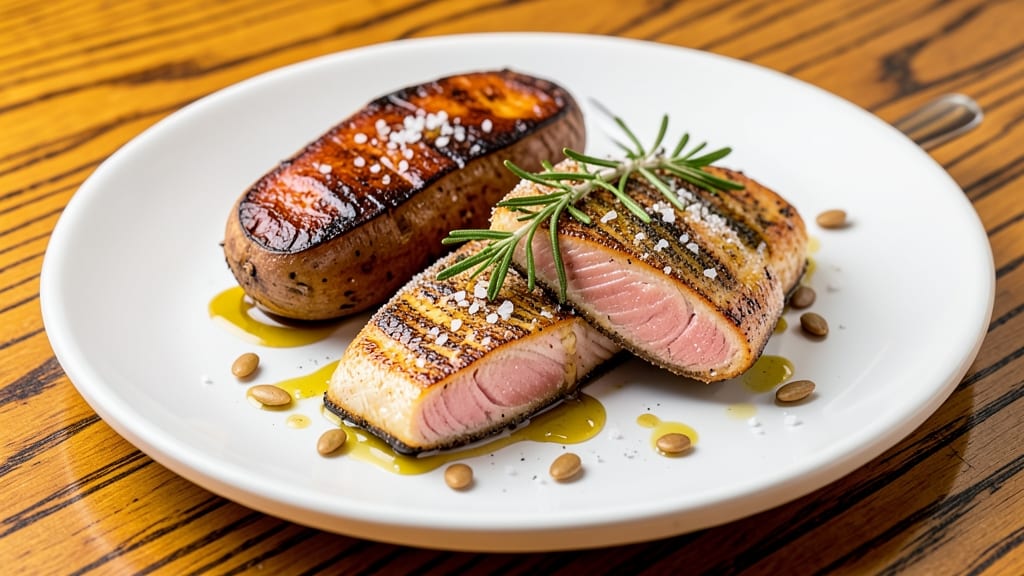
This trout and sweet potato recipe delivers a perfect balance of crispy, flaky fish and caramelized sweet potatoes in every bite. The secret lies in pan-searing the trout with just the right seasoning while roasting the sweet potatoes until tender and glazed with honey.
Together, they create a dish that's elegant yet simple enough for weeknight dinners.
The trout gets its signature flakiness from a light coating of cornstarch and careful pan-searing, while the sweet potatoes develop a crisp exterior and tender interior when roasted with olive oil and honey.
This method ensures both components cook perfectly in the same timeframe, making it a foolproof combination. The honey glaze adds a touch of sweetness that beautifully complements the trout's natural flavors.
What makes this recipe truly special is how the two components work together—crispy sweet potatoes contrast beautifully with the tender, flaky trout. The dish comes together in under 30 minutes, perfect for a weeknight meal that still feels special.
The aromatic herbs and citrus notes tie everything together, creating a harmonious balance of flavors that will impress even the most discerning dinner guests.
Serve this dish with a fresh green salad or steamed vegetables to complete the meal. The trout's delicate flavor pairs wonderfully with the earthy sweetness of the potatoes, making it a well-rounded dish that's both satisfying and visually appealing. Let's get cooking!
Ingredients for trout and sweet potato
Twelve ingredients that transform simple proteins and root vegetables into restaurant-quality harmony.
| Ingredient | Amount | Notes |
|---|---|---|
| Rainbow Trout Fillets 🐟 | 4 whole | Skin-on, 6-8 oz each, fresh preferred |
| Medium Sweet Potatoes 🍠 | 2 whole | Organic preferred, uniform size |
| Extra-Virgin Olive Oil 🫒 | ½ cup | Lightly fruity variety for balance |
| Honey 🍯 | 3 tbsp | Wildflower preferred, local if possible |
| Cornstarch 🌾 | 2 tbsp | For crispy trout coating |
| Diamond Crystal Kosher Salt 🧂 | 1 ½ tsp | Fine grain for even seasoning |
| Freshly Ground Black Pepper 🌶️ | ½ tsp | Cracked peppercorns preferred |
| Fresh Lemon Juice 🍋 | 2 tbsp | From Meyer lemons if available |
| Fresh Thyme Leaves 🌿 | ¼ cup | Or 1 tsp dried thyme |
| Fresh Parsley Leaves 🌿 | ¼ cup | Chopped for garnish |
| Garlic Cloves 🧄 | 2 cloves | Minced for seasoning blend |
| Unsalted Butter 🧈 | 2 tbsp | European-style preferred |
The trout selection matters—look for rainbow trout fillets with bright pink flesh and minimal bruising. Local fish markets often carry fresher options than supermarkets, and the difference in flakiness is noticeable. For sweet potatoes, organic varieties have thicker skins that hold up better during roasting. If you can't find organic, conventional is fine—just scrub them well. The honey should be raw and unfiltered for optimal flavor infusion; Trader Joe's carries excellent local options. As for thyme, fresh is ideal but dried works at one-third the amount if you're in a pinch.
No cornstarch? Arrowroot powder works equally well for the trout coating, though it may yield slightly less crispiness. Substituting honey with maple syrup reduces floral notes but maintains sweetness—use the same amount. For the olive oil, avocado oil has a higher smoke point if you prefer pan-searing at higher heat. The butter can be swapped for vegan butter if needed, though it may affect browning. If you're short on time, pre-minced garlic works, but fresh minced garlic adds depth. Always zest the lemon fresh—bottled juice lacks the aromatic oils that elevate the dish.
Store trout fillets in the coldest part of your fridge, wrapped in parchment, for up to 2 days. Sweet potatoes keep for 2 weeks in a cool, dark place, but roast them within 3-4 days of purchase for optimal texture. The honey glaze can be prepped ahead and stored in the fridge for 1 week, though it's best used fresh. Leftover trout reheats beautifully in a 375°F oven for 8-10 minutes—just add a splash of lemon juice to maintain moisture. Portion the sweet potatoes into single-serving containers for easy reheating.
Why You'll Love This Recipe
- One-Pan Magic: I swear by this when I’m too tired to scrub pots—just toss the trout and sweet potatoes on a sheet, drizzle with olive oil and honey, and let the oven do the work. The cornstarch crust on the trout? Pure genius for minimal cleanup.
- Sweet & Savory Balance: That honey glaze on the trout? It’s like a little flavor explosion—sticky, caramelized, but not cloying. The sweet potatoes soak it up just enough to make every bite feel like a hug, especially when they’re tender but still hold their shape.
- Weeknight to Weekend: Honestly, this feeds my book club and my lazy Sunday brunch—no one bats an eye whether it’s a fancy dinner or a “what’s for lunch?” scramble. The trout stays fresh for days if you wrap it tight, and the potatoes reheat like a dream.
- Budget-Friendly Luxury: Rainbow trout might sound fancy, but it’s way cheaper than salmon and still feels special. A single fillet stretches into two meals if you portion it right, and sweet potatoes? They’re the pantry MVP. I’ve made this for $12 and still felt like I ordered in.
Step-by-step instructions for honey-glazed crisp with flaky fish
Master this balance of crispy sweet potatoes and delicate trout with precision timing and technique.
Prepare the Sweet Potatoes for Crispy Perfection
Preheat your oven to 425°F and line two baking sheets with parchment paper. Pierce each of the 2 whole medium sweet potatoes with a fork in several places—this prevents them from exploding while roasting. Rub the potatoes generously with 0.25 cup extra-virgin olive oil until completely coated, then sprinkle evenly with 0.75 tsp diamond crystal kosher salt and 0.25 tsp freshly ground black pepper.
Arrange the potatoes on the prepared baking sheets, spacing them 1 inch apart for even browning. Roast for 30 minutes, then carefully flip each potato and return to the oven for another 20-25 minutes until they're tender when pierced with a knife and develop deep golden brown crispy skin. The internal temperature should reach 200°F—this ensures they're fully cooked while maintaining moisture.
Create the Honey-Thyme Glaze for the Trout
While the sweet potatoes roast, combine 3 tbsp honey, 2 tbsp fresh lemon juice, 2 minced garlic cloves, and 0.25 cup fresh thyme leaves in a small saucepan. Bring to a gentle simmer over medium-low heat and cook for 5 minutes until the mixture reduces slightly and becomes fragrant. Remove from heat and let cool for 5 minutes—this allows the flavors to meld.
In a separate bowl, whisk together 2 tbsp cornstarch with 0.5 cup extra-virgin olive oil to create a light coating. This mixture will create a crispy exterior on the trout while keeping the inside perfectly flaky. The cornstarch acts as a natural thickener that prevents the fish from becoming dry.
Season and Coat the Rainbow Trout Fillets
Pat each of the 4 whole rainbow trout fillets dry with paper towels—this is crucial for achieving crispy skin. Season both sides generously with the remaining 0.75 tsp diamond crystal kosher salt and 0.25 tsp freshly ground black pepper. Lightly brush each fillet with the cornstarch-oil mixture, pressing gently to ensure even coverage. This coating will develop a beautiful golden crust during cooking.
Place the seasoned fillets on a separate baking sheet lined with parchment paper. Drizzle half of the honey-thyme glaze evenly over the trout, reserving the rest for finishing. The glaze should coat the fillets but not pool excessively—this ensures proper caramelization without steaming the fish.
Roast the Trout to Flaky Perfection
Transfer the baking sheet with trout to the oven and roast for 12-15 minutes until the skin is deep golden brown and crispy, and the fish flakes easily when tested with a fork. The internal temperature should reach 145°F—this is the perfect safe temperature for trout while maintaining its delicate texture.
During the last 2 minutes of cooking, broil the trout on high for 1-2 minutes to intensify the caramelization of the glaze. Watch closely to prevent burning. Remove from the oven and immediately drizzle with the remaining honey-thyme glaze, allowing it to pool slightly on top for presentation.
Rest and Garnish for Maximum Flakiness
Let the trout rest for 3-5 minutes before serving—this allows the juices to redistribute throughout the fillets, ensuring each bite is moist and flavorful. While the trout rests, transfer the roasted sweet potatoes to a serving platter and garnish with 0.25 cup chopped fresh parsley leaves for a pop of color and freshness.
Slice each trout fillet in half lengthwise and arrange alongside the sweet potatoes. Garnish the trout with additional parsley and a final drizzle of the honey glaze. Serve immediately while the trout is still warm and the sweet potatoes retain their crispy exterior and tender interior. The combination of caramelized sweet potatoes and honey-glazed trout creates a harmonious balance of textures and flavors.
Pro Tips For Making Trout And Sweet Potato
- SEAR TROUT SKIN-SIDE DOWN: That crispy skin isn’t just for looks—it’s the flavor anchor. Lay the fillets skin-side down in a cold, dry pan, then turn the heat to medium-high before adding oil. The skin will render fat and get golden in 3-4 minutes without sticking. (Yes, even if you’re impatient like me—resist the urge to rush it.)
- CUBE SWEET POTATO UNEVENLY: I used to slice sweet potatoes evenly and wondered why they’d turn mushy. Cut them into 1.5-inch chunks, then whack each one with a knife to create uneven surfaces. More edges = more caramelization when roasted. Toss with olive oil and salt before hitting the oven—this guarantees crispy edges.
- DON’T OVERMIX THE HONEY GLAZE: The second you mix honey and cornstarch, stop stirring. A few swirls are all it takes to thicken it properly—overworking it turns it gluey. My grandmother swore by this, and she was right: let the heat do the work. Simmer for 2 minutes max, then drizzle it hot over the trout right out of the pan.
- REST TROUT UNDER FOIL: Pull the trout from the pan and tent it with foil for 5 minutes. This keeps the flesh from shrinking into a sad, dense block. I learned this the hard way—skipping it makes the fish taste dry, even if the outside looks perfect. Use that time to toss the sweet potatoes with a pinch of smoked paprika while you wait.
Troubleshooting this dish
Sweet Potatoes Too Dry
If your sweet potatoes emerge dry or mealy, you likely over-roasted them. The key is achieving a 200°F internal temperature—use a meat thermometer to check. For extra moisture, brush the potatoes with an additional 1 tbsp olive oil before the second roasting phase.
I also recommend covering them loosely with foil during the final 10 minutes to trap steam while maintaining some crispiness. 🍠
Trout Skin Not Crispy
Crispy trout skin requires perfectly dry fillets and the right technique. Pat your trout fillets with paper towels until completely dry before seasoning—any moisture will prevent proper browning. For extra crispiness, chill the fillets for 15-20 minutes before cooking to firm up the flesh.
I also recommend using a non-stick skillet and cooking over medium-high heat until the skin is golden and sizzling. 🐟
Glaze Too Runny
A runny glaze usually means the honey wasn't reduced enough. Simmer your honey mixture for an additional 2-3 minutes until it thickens slightly. For extra stability, whisk in ½ tsp cornstarch mixed with 1 tsp water at the end of cooking.
If the glaze separates, simply reheat it gently while whisking until smooth. I keep a small saucepan handy just for this purpose—it's a game-changer for consistency. 🍯
Uneven Cooking
Uneven cooking often happens when components aren't properly spaced or when oven temperatures fluctuate. Arrange your sweet potatoes and trout fillets with at least 1 inch of space between them for even air circulation. For best results, use the middle rack in your oven where heat is most consistent.
If your oven runs hot or cold in spots, rotate the baking sheets halfway through cooking. I've found that calibrating your oven with an oven thermometer can prevent these issues entirely. 🌡️
Sweet Potatoes Explode
This common issue happens when steam builds up inside un-pierced potatoes. Always pierce your sweet potatoes with a fork in 3-4 places before roasting to allow steam to escape.
For extra insurance, I recommend cutting a ¼-inch slice off the top of each potato before roasting—this prevents any potential pressure buildup. If this happens, simply salvage the flesh and use it in soups or mash. 💡
Trout Overcooks Quickly
Trout cooks faster than most proteins, so monitor it closely during the final minutes. For foolproof timing, start checking the internal temperature with a meat thermometer at 10 minutes—it should reach 145°F when done.
If your trout finishes early, transfer it to a warm plate and tent loosely with foil while you complete the sweet potatoes. I've found that undercooking slightly (to 140°F) and finishing with a quick broil often yields better results. ⏱️
Nutrition facts
Frequently asked questions
Can I substitute rainbow trout with another type of fish?
Yes! This recipe works beautifully with other mild white fish like branzino, cod, or halibut. For best results, choose fillets with similar thickness (about ½-inch) and adjust cooking time by 1-2 minutes—thinner fish cooks faster. Avoid oily fish like salmon as the honey glaze may separate.
How do I make this dish ahead of time?
Prepare the honey-thyme glaze up to 1 day ahead and store it in the fridge. For the sweet potatoes, roast them 1 day ahead and reheat at 350°F for 10 minutes to restore crispiness. Cook the trout fresh—it's best served immediately for maximum flakiness. Reheat any leftovers gently in the oven with a splash of lemon juice.
What's the best way to serve this with wine or sides?
This dish pairs perfectly with a crisp Sauvignon Blanc or Pinot Grigio—their acidity cuts through the honey's sweetness. For sides, try a simple arugula salad with lemon vinaigrette or steamed green beans with almonds. The earthy sweet potatoes also complement roasted Brussels sprouts with balsamic glaze.
Can I use regular potatoes instead of sweet potatoes?
While possible, sweet potatoes are ideal—they hold their shape better and develop a natural caramelization. If substituting, use Yukon Gold potatoes and reduce roasting time by 5-7 minutes to prevent overcooking. The flavor will be less sweet and more starchy, but the technique remains the same.
Why does the recipe call for skin-on trout?
The skin adds texture and flavor that complements the dish perfectly. When cooked properly, it becomes crispy and adds a satisfying contrast to the tender flesh. If you prefer skinless, simply remove it before cooking—just be aware the texture will be slightly less interesting. For extra crispiness, leave the skin on and press it down gently before cooking.