
Side Dishes
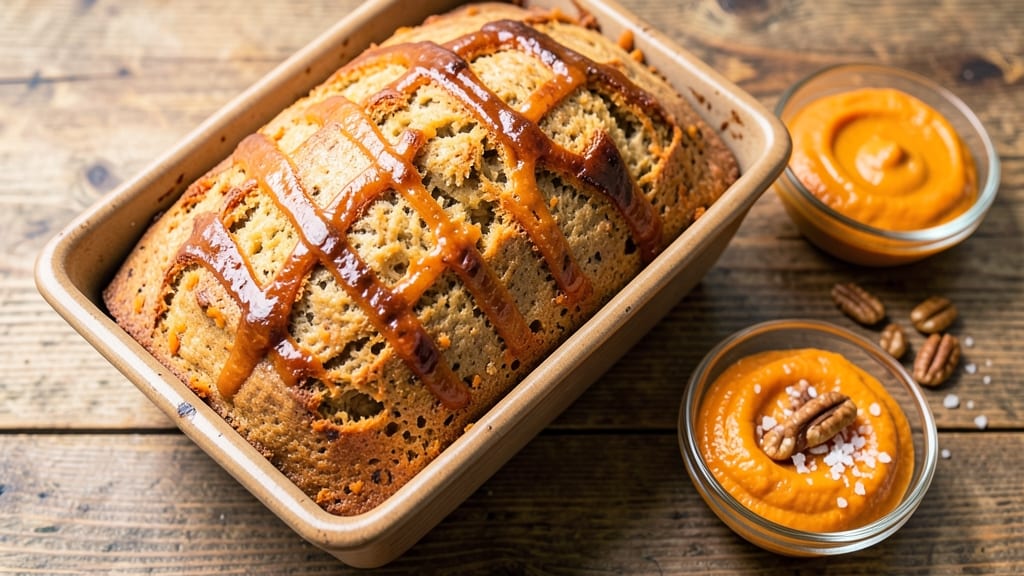
This whole wheat sweet potato bread delivers a nutrient-packed loaf with a moist crumb that stays fresh for days. The secret lies in blending hearty whole wheat flour with naturally sweet, hydrating sweet potato puree—creating a texture that's light yet substantial.
I developed this recipe after years of experimenting with dense whole grain breads, and this version finally achieves that perfect balance of flavor and tenderness.
What sets this loaf apart is the combination of warm spices and the natural sweetness of the sweet potato, which eliminates the need for added sugar while keeping it irresistibly flavorful.
The dough comes together in just 10 minutes of mixing, then rests while you handle other tasks—making it perfect for busy weekdays. The result is a bread with a golden crust and a tender interior that's ideal for sandwiches, toast, or serving alongside soups.
Baking at 350°F ensures even cooking without drying out the crumb, while the sweet potato adds natural moisture that keeps this bread fresh longer than traditional whole wheat loaves. The recipe includes optional add-ins like honey or cinnamon for extra depth, but even without them, the flavor profile shines through.
With its vegetarian-friendly ingredients and whole grain goodness, this bread satisfies both health-conscious eaters and those craving comforting, homemade bread.
Once baked, let the loaf cool completely before slicing to maintain its moist texture, then store wrapped at room temperature for up to 5 days or freeze for longer storage.
The aroma alone will have your kitchen smelling like a bakery, and every slice will taste like a home-cooked masterpiece. Ready to bake your first loaf?
Ingredients for whole wheat sweet potato bread
Sweet potato puree meets whole wheat flour for a bread that's moist, tender, and packed with nutrients.
| Ingredient | Amount | Notes |
|---|---|---|
| Sweet Potato Puree 🍠 | 1 cup | Canned or homemade, unsweetened |
| Whole Wheat Flour 🌾 | 4 cups | White whole wheat preferred |
| All-Purpose Flour 🌾 | 1 cup | For lighter texture |
| Granulated Sugar 🍚 | ¼ cup | Or coconut sugar for refined-free |
| Brown Sugar 🍚 | ¼ cup | Packed firmly |
| Active Dry Yeast 🍞 | 2 ¼ tsp | Or 1 packet instant yeast |
| Warm Water 💧 | 1 ¼ cups | 110°F for yeast activation |
| Unsalted Butter 🧈 | ½ cup | Melted, full-fat preferred |
| Large Eggs 🥚 | 2 whole | Room temperature |
| Ground Cinnamon 🌿 | 1 tsp | For warm sweetness |
| Ground Ginger 🌶️ | ½ tsp | Freshly ground preferred |
| Salt 🧂 | 1 ½ tsp | Diamond Crystal kosher |
| Honey 🍯 | 2 tbsp | Optional for extra moisture |
| Milk 🥛 | ¼ cup | Warm, any variety |
The sweet potato puree is non-negotiable here—it's what gives this bread that signature moist crumb. Libby's unsweetened canned puree is my go-to since it's consistent, but homemade works too (just roast, peel, and blend). For the flour, King Arthur white whole wheat gives the best texture, but Bob's Red Mill works in a pinch. The yeast needs to be fresh, so if your packet's past its expiration, toss it. The warm water should be lukewarm to the touch—too hot kills the yeast, too cold and it won't activate. Pro tip: melt the butter in the microwave for 40 seconds to just soften it, then stir into the wet ingredients.
No honey? Maple syrup or agave at the same amount works perfectly. The milk can be any kind—whole, skim, even almond milk—but warm it up first to help dissolve the sugars. Running short on cinnamon? Nutmeg or pumpkin pie spice at half the amount gives a different but still delicious vibe. The brown sugar can be swapped for white sugar if you're avoiding molasses notes, but I like that depth. For the egg, if you're avoiding it, flax eggs (2 tbsp ground flax + 6 tbsp water per egg) work surprisingly well. The dough should be sticky but manageable—if it's too dry, add a splash more milk; if too wet, sprinkle in a little more flour.
This bread keeps beautifully wrapped at room temperature for 5-7 days, but trust me, it'll disappear faster than that. For longer storage, slice and freeze—it reheats perfectly in the toaster or oven. The crust stays crisp for about 2 days, but the interior stays moist for up to a week. Double the recipe and freeze half for lazy mornings—just thaw overnight in the fridge. Leftovers? Toast them with a little extra butter and cinnamon for a quick breakfast treat.
Why You'll Love This Recipe
- No Puree Hassle: I’ll be real—blending sweet potatoes used to stress me out. But this recipe lets you use store-bought puree (or roast one while you nap), and the texture stays perfectly moist. No lumps, no guesswork—just mix and bake.
- Sweet & Savory Magic: That combo of brown sugar and granulated sugar? It’s like a hug for your taste buds. The whole wheat gives it a hearty bite, while the sweet potato puree adds this unexpected depth—almost like a cross between banana bread and a cinnamon roll. (Yes, even on a Tuesday night.)
- Breakfast to Dessert: Honestly, I make this for toast in the morning, but it’s also my go-to for sandwiches or a quick dessert when I’m craving something sweet. The crust stays crispy for days, and the crumb? So tender it practically melts. My kids ask for it more than actual cake.
- Budget-Friendly Staple: Between us, this recipe costs me pennies per loaf. Sweet potatoes are cheap, whole wheat flour is a pantry must, and the sugars stretch further than pricier mixes. Plus, it keeps forever—freeze slices for toast or stash the whole loaf. Zero waste, all win.
Step-by-step instructions for whole wheat sweet potato bread
This method delivers a tender, moist loaf with perfect rise and warm spice notes every time.
Activate the Yeast and Prepare the Sweet Potato Base
In a small bowl, combine the 2.25 teaspoons active dry yeast with ½ cup of the warm water (110°F) and 2 tablespoons honey. Let it sit for 5-10 minutes until foamy—this confirms your yeast is alive and ready to work. You'll see bubbles forming and the mixture expanding slightly.
In a separate large bowl, whisk together the 1 cup sweet potato puree, ½ cup unsalted butter (melted and cooled slightly), 2 whole large eggs, ¼ cup granulated sugar, ¼ cup brown sugar, 1 teaspoon ground cinnamon, ½ teaspoon ground ginger, and 1.5 teaspoons salt. The puree should be smooth—if not, strain it through a fine-mesh sieve to remove any lumps. This mixture forms the bread's moist, flavorful base.
Combine Wet and Dry Ingredients for Perfect Texture
Gradually add the yeast mixture to the sweet potato mixture, whisking gently to combine. In a separate bowl, sift together the 4 cups whole wheat flour and 1 cup all-purpose flour. This creates a lighter texture while keeping the bread whole grain-rich. Make a well in the center of the dry ingredients.
Pour the wet mixture into the well and add the remaining ¾ cup warm water and ¼ cup milk. Using a wooden spoon or dough whisk, stir until just combined—you should still see some flour streaks. Overmixing develops gluten, which can make the bread dense. The dough will be shaggy but will come together as you knead.
Knead the Dough for Optimal Rise and Texture
Turn the dough onto a lightly floured surface and knead for 8-10 minutes until smooth and elastic. You'll know it's ready when it springs back slowly when pressed. The dough should be slightly tacky but not sticky—add a little more flour if needed, but don't overdo it or the bread will be dry.
Place the dough in a lightly greased bowl, cover with a damp kitchen towel, and let it rise in a warm place for 1-1.5 hours or until doubled in size. The kitchen should feel slightly warm—if it's cold, place the bowl near a warm oven with the light on. The dough should puff up noticeably and feel light when pressed gently with a finger.
Shape and Proof for Maximum Flavor Development
Punch down the dough to release any air bubbles, then shape it into a loaf by folding the edges toward the center and rolling it gently into a log. Place the loaf seam-side down in a greased 9x5-inch loaf pan. Cover again with the damp towel and let it rise for another 30-45 minutes until it domes slightly above the pan.
Preheat your oven to 375°F while the dough proofs. The oven should be fully heated before baking—this ensures even rise and proper browning. The bread is ready when it's just about to overflow the pan, with a slight jiggle when shaken gently.
Bake to Golden Perfection with Steam
Bake the bread for 45-50 minutes until the top is deep golden brown and an instant-read thermometer inserted into the center reads 190-200°F. For extra moisture, place a shallow pan of water on the lower oven rack during the first 20 minutes of baking—this creates steam that keeps the crumb tender.
Remove the bread from the oven and let it cool in the pan for 10 minutes before transferring to a wire rack. This resting period allows the bread to set properly. Once cooled, slice with a serrated knife for clean cuts. The interior should be moist with a slightly dense, crumbly texture—perfect for toast or sandwiches.
Pro Tips For Making Whole Wheat Sweet Potato Bread
- STRAIN THAT PUREE: Skip the lumps—blend your sweet potato puree until it’s smooth as paint, then strain it through a fine-mesh sieve. Whole wheat flour hates grittiness, and you’ll thank yourself later when the crumb isn’t fighting you.
- WEIGH YOUR FLOUR: Scoop-and-sweep measuring cups lie. Whole wheat flour packs differently, and your bread’s density will suffer. Use a kitchen scale for the whole wheat and all-purpose—aim for 120g whole wheat and 80g AP for a 1:1.5 ratio that actually rises.
- DON’T OVERMIX THE DOUGH: After adding the wet ingredients, mix just until combined—maybe 10-12 strokes with a spatula. Overworking the dough with whole wheat flour turns your sweet potato bread into a dense brick. Stop when the flour disappears, no matter how tempted you are to "fix" it.
- BAKE WITH A TRAP: Place a shallow pan of water on the lower oven rack while baking. The steam keeps the crust from drying out too fast, especially with whole wheat’s thirsty nature. Your bread will stay moist longer—no sad, cracked tops here.
Flavor customization for this dish
Sweet Spice Boost
For a cozy, autumnal twist, add ½ teaspoon pumpkin pie spice to the dough mixture. This blend of cinnamon, nutmeg, ginger, and cloves deepens the warm flavor profile without overpowering the sweet potato.
I like to toast the spices in a dry pan for 1 minute before adding to release their essential oils—trust me, the aroma alone makes your kitchen smell like a bakery. 🌿
Citrus Zing
Brighten the flavor with 1 tablespoon fresh orange zest mixed into the sweet potato base. The citrus cuts through the richness of the whole wheat, adding a refreshing contrast. Pair it with 1 tablespoon orange juice in place of some of the milk for extra moisture.
This works especially well if you're serving the bread with savory toppings like smoked salmon or avocado.
Nutty Crunch
For texture lovers, fold ½ cup chopped pecans or walnuts into the dough after the first rise. Toast the nuts first in a dry skillet for 3-4 minutes until fragrant, then cool before adding.
The nuts add a satisfying crunch that balances the soft crumb, and they toast beautifully in the oven. I recommend using King Arthur pecans for their rich flavor and consistent texture.
Herbal Freshness
Add a touch of green with 1 tablespoon fresh rosemary or thyme finely chopped and mixed into the wet ingredients. The herbal notes complement the sweet potato beautifully, especially if you're serving the bread with roasted vegetables or grilled meats.
For a stronger flavor, use 2 tablespoons, but be mindful—herbs can overpower if used too generously. 🌱
Sweet Enhancements
If you want to amplify the sweetness without added sugar, stir in ¼ cup unsweetened applesauce or 2 tablespoons maple syrup during the wet ingredient stage. These additions keep the bread naturally sweet while adding moisture.
For a caramelized finish, brush the baked loaf with 1 tablespoon melted butter mixed with 1 teaspoon brown sugar while still warm.
Savory Twist
For a unique flavor profile, reduce the cinnamon to ½ teaspoon and add 1 teaspoon smoked paprika or ½ teaspoon garlic powder to the dry ingredients. This works surprisingly well with savory toppings like hummus or sliced turkey.
The smoky notes add depth that pairs beautifully with the sweet potato's natural sweetness. 🔥
Nutrition facts
Frequently asked questions
Why does my whole wheat sweet potato bread turn out dense?
Overmixing the dough develops too much gluten, making the bread dense. Mix just until combined (flour streaks should remain), and knead for only 8-10 minutes. Whole wheat flour absorbs more liquid—if the dough feels too dry, add 1 tablespoon milk at a time until it's tacky but manageable. Also, ensure your yeast is fresh and the water is 110°F (not boiling hot).
Can I substitute regular flour for the whole wheat flour?
Yes, but expect a lighter, less nutritious loaf. Replace the 4 cups whole wheat flour with 3 cups all-purpose flour and 1 cup whole wheat flour to maintain some whole grain benefits. The sweet potato puree helps retain moisture, but the texture will be less dense. For extra moisture, add 1-2 tablespoons applesauce to the wet ingredients.
How do I store this bread to keep it fresh longest?
Wrap the cooled loaf tightly in plastic wrap or place it in an airtight container. Store at room temperature for up to 5-7 days, or freeze sliced bread for up to 3 months. To revive stale slices, warm them in a 350°F oven for 5-10 minutes with a damp paper towel on top. The sweet potato puree helps extend freshness compared to traditional whole wheat bread.
What’s the best way to tell if the bread is fully baked?
Look for a deep golden brown crust, then use an instant-read thermometer to check the internal temperature—it should read 190-200°F. Tap the bottom: if it sounds hollow, it’s done. The bread will continue cooking slightly as it cools, so remove it when the edges pull away from the pan. Overbaking dries out the crumb, so resist the urge to bake longer just for color.
Can I make this bread without eggs?
Replace the 2 eggs with 2 flax eggs (mix 2 tablespoons ground flaxseed with 6 tablespoons water, let sit for 5 minutes to thicken). For extra binding, add 1 tablespoon vital wheat gluten to the dry ingredients. The bread may be slightly less tender but will still hold together well. The sweet potato puree compensates for the egg’s moisture contribution.