
Side Dishes
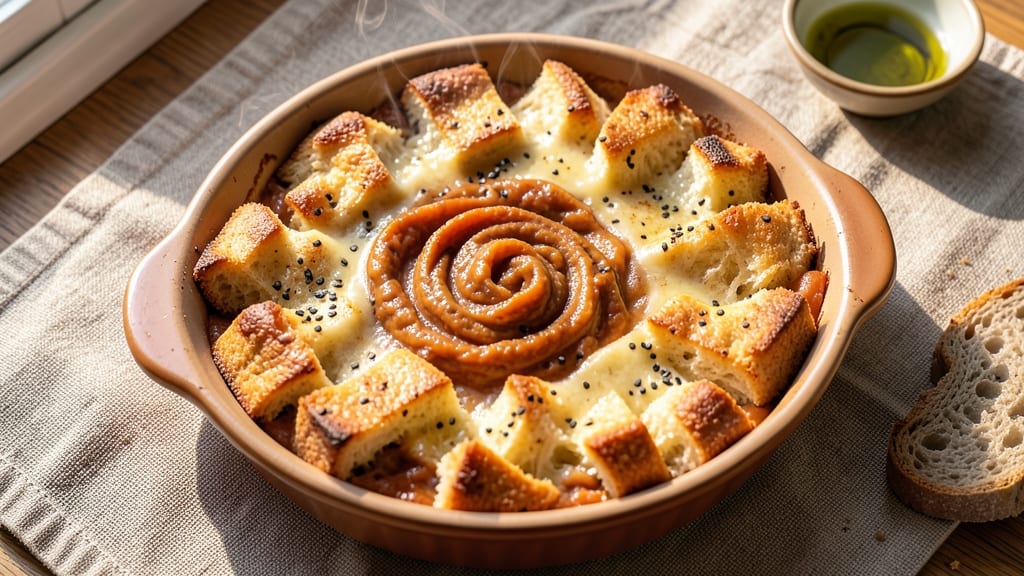
Zea's Sweet Potato Bread Pudding transforms humble ingredients into a dessert so rich and comforting, it feels like a warm hug on a chilly evening. The secret lies in blending tender sweet potato puree with layers of crusty bread, creating a velvety texture that's impossible to resist. I developed this recipe after years of experimenting with spiced bread puddings, and the buttery crust—cracked and golden—is what truly sets it apart.
What makes this recipe special is the balance of flavors: the natural sweetness of the sweet potato, the warmth of cinnamon and nutmeg, and the richness of melted butter in the custard.
Unlike traditional bread puddings, this version incorporates roasted sweet potato puree, which adds depth and moisture without making it too heavy. The result? A dessert that's creamy yet light, with a hint of spice that lingers on your palate.
Baking at 350°F for 45-60 minutes ensures the top develops that perfect buttery crust while keeping the inside tender and custardy. The aroma alone—warm spices mingling with buttery bread—will have everyone gathering in the kitchen.
Serve it warm with a drizzle of caramel sauce or a dollop of whipped cream, and you'll have a dessert that feels like a celebration.
Perfect for holiday gatherings, cozy family dinners, or even a special treat for yourself. This recipe is designed to impress with minimal effort, delivering restaurant-quality results every time. Let's get baking!
Ingredients for zea's sweet potato bread pudding
Sweet potato puree, crusty bread cubes, and warm spices create this velvety dessert masterpiece.
| Ingredient | Amount | Notes |
|---|---|---|
| Sweet Potatoes 🍠 | 1 ½ lb | Peeled, roasted and pureed |
| Day-Old Bread 🍞 | 1 lb | Crusts removed, cubed |
| Large Eggs 🥚 | 6 whole | Room temperature |
| Whole Milk 🥛 | 2 cups | Full-fat preferred |
| Unsalted Butter 🧈 | ½ cup | Melted, full-fat |
| Granulated Sugar 🍚 | ¾ cup | Light brown preferred |
| Ground Cinnamon 🌿 | 2 tsp | Freshly ground |
| Ground Nutmeg 🌿 | ½ tsp | Freshly grated |
| Vanilla Extract 🌸 | 1 tbsp | Pure extract |
| Salt 🧂 | ½ tsp | Kosher or sea |
| Caramel Sauce 🍯 | ½ cup | Store-bought or homemade |
| Heavy Whipping Cream 🥛 | ½ cup | For whipped topping |
The sweet potatoes are the heart of this recipe—look for vibrant orange ones with smooth skin at Whole Foods or your local market. Roasting them first concentrates the natural sweetness and makes the puree silky. I use about 1.5 pounds for the right balance of moisture without sogginess. For the bread, French or sourdough loaves work best—their crusts add texture, but you'll want to remove them. If you're short on time, stale baguettes from Trader Joe's work perfectly too. The eggs should be at room temperature for even baking, so take them out 30 minutes before mixing.
No brown sugar? White sugar plus an extra 0.5 teaspoon cinnamon gets you close. Running out of vanilla extract? Vanilla bean paste works 1:1, or scrape seeds from a pod. The caramel sauce can be store-bought—Smucker's or Trader Joe's are reliable—but homemade is worth it if you've got 15 minutes. For the cream, heavy whipping cream is non-negotiable here—light cream won't whip properly. The nutmeg is crucial; pre-ground loses potency fast, so buy whole and grate it fresh if possible. If you can't find fresh, Penzeys sells pre-ground that stays potent longer.
This dessert reheats beautifully—350°F for 10-15 minutes restores that just-baked magic. Store leftovers in an airtight container for 3-4 days in the fridge, though honestly it's best eaten fresh. The puree can be made ahead and stored for 2 weeks in the freezer—just thaw overnight before using. For serving, I always drizzle the caramel sauce directly over portions and add a dollop of whipped cream. The bread cubes soak up the custard perfectly, so don't skip the crust removal—it keeps everything tender.
Why You'll Love This Recipe
- Uses Pantry Staples: The second I saw this recipe, I groaned—not because it’s complicated, but because it only needs what I already have. That bag of day-old bread? The eggs gathering dust in the fridge? The sweet potatoes I roasted last week? Boom. No special shopping trips, no last-minute ingredient panic.
- Caramelized Sweet Potato Magic: Here’s what sold me—roasting the sweet potatoes first until they’re just tender, then folding them into the custard. That deep, buttery caramelization? It turns every bite into a warm hug. The bread soaks up the milk-egg mix perfectly, but those pockets of gooey sweet potato? Absolute game.
- Dessert That Feeds Crowds: I made this for a Sunday brunch with six people, and it vanished faster than my willpower. The portions are generous, but it’s not too much—unlike some casseroles that leave you with a fridge full of regret. Plus, it reheats beautifully, so leftovers become breakfast or a midnight snack without judgment.
- Budget-Friendly Comfort: Between us, this recipe is my secret weapon for making frugal meals feel fancy. Sweet potatoes and stale bread? Cheap. Eggs and milk? Cheaper. The butter makes it taste like a restaurant dish, but the cost stays low. Honestly, it’s the kind of recipe that makes me feel smart for spending so little.
Step-by-step instructions for zea's sweet potato bread pudding
Here's how to create a rich, spiced bread pudding with a golden crust and caramel swirl.
Prepare the Sweet Potato Puree
Preheat your oven to 400°F. Pierce the 1.5 lb sweet potatoes with a fork and place them on a baking sheet. Roast for 45-50 minutes until fork-tender. Let them cool slightly, then peel off the skin and transfer the flesh to a food processor or blender.
Add 1 tablespoon vanilla extract and ½ teaspoon salt to the warm sweet potatoes. Puree until completely smooth, scraping down the sides as needed. The puree should be thick but spreadable—this forms the custard base of your bread pudding. Taste and adjust sweetness with additional sugar if needed, but we'll add more later in the recipe.
Assemble the Bread Pudding Mixture
In a large mixing bowl, whisk together the 6 room-temperature eggs, 2 cups whole milk, ½ cup melted unsalted butter, ¾ cup granulated sugar, 2 teaspoons ground cinnamon, and ½ teaspoon ground nutmeg until fully combined and smooth. The mixture should be pale yellow with no visible streaks of flour or butter.
Gently fold in the sweet potato puree until evenly distributed. Then, add the 1 lb cubed day-old bread, tossing carefully to coat each piece in the custard mixture. The bread should absorb the liquid but remain slightly moist—this ensures a tender crumb rather than a dry texture. Let the mixture sit for 10 minutes to allow the bread to soak up the custard completely.
Layer and Bake for a Golden Crust
Grease a 9x13-inch baking dish generously with butter or line it with parchment paper for easy removal. Transfer the bread pudding mixture to the prepared dish, pressing down gently to ensure even distribution. Drizzle the ½ cup caramel sauce evenly over the top, creating a marbled effect by swirling it lightly with a knife.
Bake at 350°F for 45-50 minutes, until the edges are golden brown and the center is just set (it should wobble slightly when shaken). If the top browns too quickly, tent the dish with foil to prevent over-browning while the center finishes cooking. The pudding is done when a knife inserted near the center comes out clean.
Whip the Cream and Serve
While the bread pudding bakes, chill the ½ cup heavy whipping cream in the refrigerator. Using a hand mixer or stand mixer, whip the cream to soft peaks—it should hold its shape when the whisk is lifted but still be light and airy. Fold the whipped cream into the caramel sauce remaining in the bowl to create a glossy, creamy drizzle.
Once the bread pudding is fully baked, let it cool for 10 minutes before serving. Drizzle the whipped cream mixture generously over the top, allowing it to cascade down the sides for an elegant finish. Serve warm with an additional drizzle of caramel sauce on the side for dipping. The combination of warm spiced pudding, creamy caramel, and buttery crust makes this dessert unforgettable.
Pro Tips For Making Zea'S Sweet Potato Bread Pudding
- BAKE UNTIL GOLDEN CRUST: I learned this the hard way—stopping when the center looks set just means a sad, gummy pudding. Bake until the top is deep golden brown, even if it takes 10-15 minutes longer than you expect. The crust should crack slightly when pressed, and the internal temp should hit 190°F (88°C). Trust the color over the timer.
- ROAST POTATOES UNTIL SOFT: Undercooked sweet potatoes turn your bread pudding into a watery mess. Roast them until they’re fork-tender with no resistance—about 20-25 minutes at 400°F (200°C). Mash them while still warm so they blend smoothly into the custard. Cold potatoes won’t break down properly.
- USE STALE BREAD ONLY: Fresh bread soaks up too much liquid and turns mushy. Save your fresh loaf for sandwiches—this recipe demands bread that’s at least 2 days old. Tear it into 1-inch chunks (no need to cube) so it absorbs the custard evenly without falling apart.
- UPGRADE WITH BROWNED BUTTER: Skip the plain butter, and you’re missing out. Swap half the unsalted butter for browned butter—its nutty depth cuts through the sweetness. Let it cool slightly before mixing into the custard, or you’ll scramble the eggs. Worth the extra 5 minutes.
Regional styles of this dish
Southern Comfort Style
In the South, bread pudding often gets a boozy twist—try adding ½ cup bourbon or ¼ cup peach brandy to the custard mixture for depth. I love using Whiskey Row Bourbon from Georgia for that classic Southern touch.
Serve with a scoop of vanilla bean ice cream to balance the warmth. The bourbon caramelizes slightly during baking, adding a smoky note that pairs perfectly with the sweet potato. 🥃
New England Maple Twist
Up north, maple syrup takes center stage. Replace ¼ cup of the sugar with ¼ cup pure maple syrup—I recommend Grade A Dark Vermont Maple for its rich flavor. Add ½ teaspoon ground cloves to the spice mix for a cozy, autumnal vibe.
Top with a sprinkle of crushed pecans for crunch. This version feels like a Thanksgiving dessert all year round.
French Toast Custard
For a brunch-friendly version, reduce the milk to 1 cup and add 1 extra egg to make the custard thicker. Fold in ½ cup chopped candied pecans and bake in individual ramekins.
Serve with a dusting of powdered sugar and a side of maple syrup. This lighter take is perfect for weekend mornings—it’s essentially bread pudding’s French toast cousin. 🍳
Spiced Rum Variation
Caribbean-inspired cooks often infuse bread pudding with rum. Add 1 tablespoon dark rum (like Appleton Estate Jamaican Rum) to the custard and garnish with toasted coconut flakes. The rum’s warmth complements the sweet potato’s earthiness beautifully.
For extra flair, drizzle with a rum caramel sauce made by simmering ½ cup sugar with ¼ cup water and 1 tbsp rum.
Gluten-Free Adaptation
For a gluten-free version, swap the bread for gluten-free cornbread or brioche (like Schär brand). Use gluten-free flour to thicken the custard if needed—about 2 tbsp blended with the eggs.
The texture stays moist, and the sweet potato’s natural sweetness shines. This version works perfectly for guests with dietary restrictions without sacrificing flavor. 🌾
Nutrition facts
Frequently asked questions
Can I use regular potatoes instead of sweet potatoes?
Sweet potatoes are essential for this recipe—their natural sweetness and moist texture create the perfect custard base. Regular potatoes would make the pudding taste bland and watery. If you absolutely must substitute, try yams, but roast them first for similar results. The flavor will be slightly different, but the texture will be closer.
How do I prevent the bread pudding from getting too dry?
Use day-old bread (not fresh) and let it soak in the custard mixture for 10-15 minutes before baking. Also, avoid overbaking—remove it when the center is just set (a knife should come out with moist crumbs). For extra moisture, add 1-2 tablespoons extra milk to the custard if needed.
Can I make this dessert ahead of time?
Yes! This bread pudding actually tastes better the next day. Bake it, let it cool completely, then refrigerate in an airtight container for up to 3 days. Reheat at 350°F for 15-20 minutes until warmed through. The flavors meld beautifully overnight, making it perfect for make-ahead desserts.
What's the best way to reheat leftovers?
For the creamiest results, reheat in a 350°F oven for 15-20 minutes covered with foil. If using the microwave, heat in 30-second intervals on medium power, stirring between each interval. The oven method preserves the buttery crust better, while microwave reheats are quicker (though slightly less crisp).