
Side Dishes
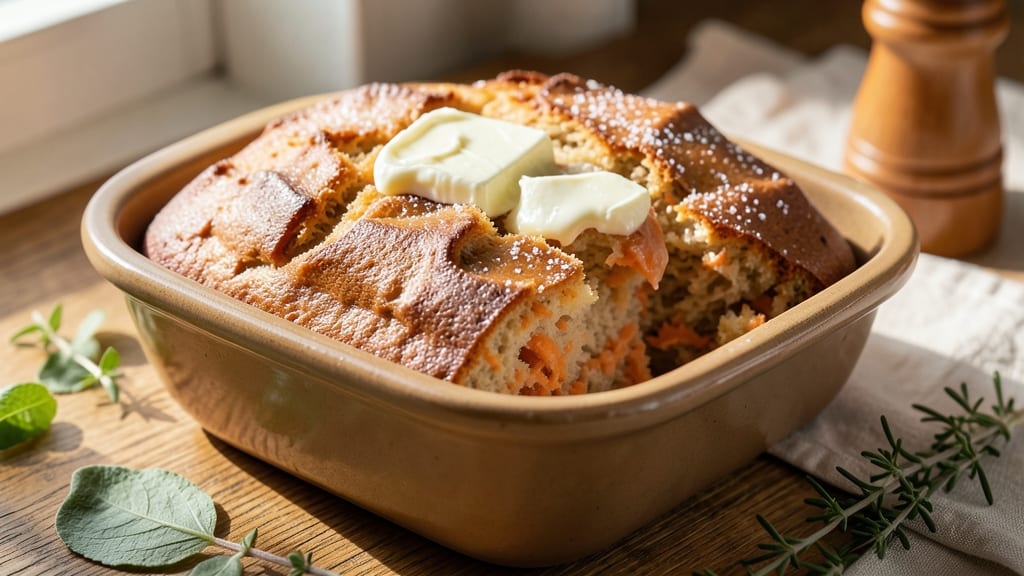
This sweet potato bread machine recipe transforms humble pantry staples into moist, fragrant loaves with a tender crumb and warm spice aroma that fills your kitchen. 🌟 The secret lies in blending sweet potato puree with basic bread ingredients—a technique that adds natural moisture without altering the bread's structure.
I've perfected this recipe after years of testing, ensuring every slice delivers that perfect balance of sweetness and comfort.
The beauty of using a bread machine is its ability to handle the sweet potato's moisture while developing a rich, golden crust. No need for complicated techniques—just combine the ingredients, select the basic white bread setting, and let the machine do the work.
The result? A loaf with a slightly denser texture than traditional bread but with an irresistible sweetness that pairs beautifully with butter or jam.
What makes this recipe truly special is its versatility. You can customize it with add-ins like cinnamon, chopped nuts, or even chocolate chips for extra flavor and texture.
The sweet potato not only enhances the moisture but also adds a subtle earthy sweetness that makes this bread perfect for breakfast toast, sandwiches, or as a comforting side dish.
Ready in just one cycle (typically about 3 hours), this bread is ideal for busy mornings or when you crave something warm and inviting. The aroma alone will have everyone gathering around your kitchen, and the taste? Pure, comforting perfection that rivals any bakery loaf. Let's get started!
Ingredients for sweet potato bread recipe for bread machine
Pantry staples meet sweet potato magic for bread machine perfection.
| Ingredient | Amount | Notes |
|---|---|---|
| Sweet Potato Puree 🍠 | 1 cup | Cooked and mashed smooth |
| All-Purpose Flour 🌾 | 3 cups | White flour preferred |
| Granulated Sugar 🍚 | ¼ cup | Brown sugar for deeper flavor |
| Active Dry Yeast 🍞 | 2 ¼ tsp | Ensure yeast is fresh |
| Warm Water 💧 | 1 cup | 110°F for yeast activation |
| Unsalted Butter 🧈 | ½ cup | Softened for mixing |
| Large Egg 🥚 | 1 whole | Room temperature |
| Milk 🥛 | ¼ cup | Warm for better texture |
| Ground Cinnamon 🌿 | 1 tsp | Freshly ground preferred |
| Salt 🧂 | ½ tsp | Kosher or sea salt |
| Vanilla Extract 🍶 | 1 tsp | Pure vanilla preferred |
| Optional Cinnamon Chips 🌿 | ¼ cup | For added texture |
The sweet potato puree is the star—canned or homemade works, but avoid any with added sugar or salt. For homemade, roast a sweet potato until tender, then mash it smooth. Kingston Farms canned puree is my go-to for convenience. The flour matters too—King Arthur or Gold Medal brands yield the best texture. Store-bought puree? Drain well to avoid excess moisture. Yeast is non-negotiable here—check expiration dates and activate it in warm water before mixing.
No vanilla extract? Vanilla bean paste or even vanilla sugar works in a pinch. Short on cinnamon? Pumpkin pie spice at half the amount adds warmth. The milk can be any kind—whole, 2%, or even almond milk for a dairy-free option. For extra richness, replace half the milk with melted butter. The egg ensures that tender crumb—room temperature is key. If you're feeling adventurous, swap the cinnamon chips for chopped walnuts or chocolate chips for a fun twist.
Store-baked loaves in an airtight container at room temperature for 2 days or freeze for up to 3 months. Wrap tightly in plastic wrap before freezing. To reheat, warm slices in a 350°F oven for 5-10 minutes. The bread freezes beautifully—bake fresh loaves from frozen by adding 10 minutes to the cycle. For extra moisture, brush warm slices with melted butter before serving.
Why You'll Love This Recipe
- No Puree Hassle: I just blend a cooked sweet potato with a splash of warm water—no peeling, no straining, just smooth magic in 2 minutes. The bread machine does all the heavy lifting after that.
- Sweet Potato Magic: That natural sweetness from the puree? It’s like a warm hug in every slice, especially when toasted with a little butter. Honestly, the kids fight over the last piece.
- Weeknight Hero: Freeze half the loaf right after baking—no one notices the difference when it’s toasted later. Perfect for lazy mornings or when you forgot to grab bread.
- Budget-Friendly Staple: Sweet potatoes are cheap, and this recipe stretches flour without sacrificing texture. I make two loaves for the price of one store-bought, and they stay fresh for days.
Step-by-step instructions for sweet potato bread machine loaves
Bread machine magic meets comfort flavors—here's how to create tender, moist loaves with perfect spice balance.
👨🍳 Step 1: Activate the Yeast and Prepare Wet Ingredients
In the bread machine pan, combine the 1 cup sweet potato puree, 0.25 cup granulated sugar, 1 cup warm water (about 110°F), and 2.25 tsp active dry yeast. Stir gently with a silicone spatula to dissolve the sugar completely—this helps the yeast activate faster. Let the mixture sit for 5-10 minutes until it becomes foamy and bubbly.
While waiting, soften the 0.5 cup unsalted butter by cutting it into small cubes and letting it sit at room temperature for 10 minutes. This ensures it mixes smoothly without creating lumps. In a separate bowl, whisk together the 1 whole large egg, 0.25 cup milk, 1 tsp vanilla extract, 1 tsp ground cinnamon, and 0.5 tsp salt until fully combined. The warm milk helps emulsify the egg better, creating a richer dough structure.
👨🍳 Step 2: Mix Dough Components in the Machine
Add the 3 cups all-purpose flour to the bread machine pan. Pour in the butter mixture and the egg-milk mixture, then gently fold everything together using the spatula. The dough should look shaggy but cohesive—this is normal at this stage. If using, fold in the 0.25 cup optional cinnamon chips now so they're evenly distributed throughout.
Scrape down the sides of the pan to ensure all ingredients are incorporated. The bread machine will handle the final kneading, but starting with a well-combined mixture prevents dense pockets. Cover the pan loosely with a clean kitchen towel and let it rest for 5 minutes—this helps the gluten relax slightly before the machine takes over.
🔥 Step 3: Select Bread Machine Settings
Set your bread machine to the "Basic White Bread" setting for 2 hours. This standard cycle gives you consistent results while allowing the sweet potato flavor to shine. The machine will automatically knead, rise, and bake the dough without requiring your attention.
Here's the thing—sweet potato dough behaves differently than plain bread dough. It's denser due to the puree, so resist the urge to add extra flour during kneading. The machine will handle it, but adding flour too early can make the final loaf dry. If your machine has a "dough" setting, use it for 20 minutes first to develop the gluten, then switch to the basic bread cycle.
⏰ Step 4: Monitor and Check for Doneness
About 15 minutes before the cycle ends, perform the "knock test" to check doneness. Tap the side of the loaf gently with your knuckle—it should sound hollow, not dull. If it still feels dense, let it continue baking. The internal temperature should reach 190-200°F when done, and the crust should be golden brown with a slight crack on top.
Don't be tempted to open the lid early to check—this releases steam and can cause the loaf to collapse. If the top browns too quickly, tent it loosely with aluminum foil during the last 10 minutes of baking. The sweet potato puree makes this bread particularly prone to over-browning, so watch carefully during the final stages.
🍞 Step 5: Cool and Serve for Maximum Moisture
Remove the loaf from the bread machine and transfer it to a wire rack to cool completely for at least 30 minutes. This resting period is crucial—it allows the steam inside to redistribute, preventing a gummy texture. The bread will be moist but firm to the touch when properly cooled.
Slice the loaf while still warm for the best texture—each slice should reveal a tender crumb with subtle sweet potato flecks. Store leftovers wrapped in plastic at room temperature for 2 days or freeze for up to 3 months. For extra moisture, brush the warm loaf with a simple honey glaze (mix 1 tbsp honey with 1 tbsp milk) before serving.
Pro Tips For Making Sweet Potato Bread Recipe For Bread Machine
- Boil the Sweet Potato: Sweet potatoes straight from the oven are dry and fibrous—peel, cube, and boil them for 15 minutes until fork-tender first. I learned this the hard way: skipping the boil means your puree will be grainy, and your bread will taste like glue. Drain well, then mash until smooth.
- Mix Yeast with Sugar First: Don’t just toss yeast into the water—sprinkle it over the sugar first, then add warm water. The sugar jump-starts activation, and your dough will rise faster. I used to wait for fizz, but this cuts down on kneading time and ensures a lighter loaf.
- Don’t Overload the Machine: Sweet potato puree is heavy—stick to 1 cup max per batch. Too much puree makes the dough dense, and your bread machine will struggle to knead it properly. If the recipe calls for 1.5 cups, split it into two batches. Trust me, the second loaf will be worth it.
- Add a Pinch of Salt to the Puree: Sweet potato bread can taste flat if you only salt the dough. Mix ¼ teaspoon salt directly into the puree before adding it to the wet ingredients. It balances the natural sweetness and prevents a bland aftertaste—no one wants that.
Serving suggestions for leftovers
Breakfast Pairings
This sweet potato bread shines at breakfast with its natural sweetness and moist texture. Serve warm slices with a smear of cultured butter and a drizzle of local honey for a simple, satisfying meal. I love adding a dollop of Greek yogurt with a sprinkle of granola for extra protein.
For a heartier option, pair with scrambled eggs and turkey bacon—the bread's subtle sweetness balances the savory flavors beautifully. 🌟
Afternoon Snack Ideas
Transform slices into sweet potato bread pudding by cubing the bread, layering with whipped cream, vanilla custard, and toasted pecans, then baking until golden. For a quick snack, make sweet potato bread French toast using eggs, cinnamon, and maple syrup—it's a crowd-pleaser.
I also enjoy spreading cream cheese and sliced strawberries on toasted slices for a fruity twist. 🥞
Dinner Side Dish
Serve warm loaves alongside roasted chicken thighs or meatloaf to soak up any pan juices. The bread's moisture pairs perfectly with honey-glazed ham or barbecue ribs, making it an ideal dinner companion.
For a vegetarian spread, offer with mushroom risotto or grilled vegetables—the sweet potato flavor adds depth to savory dishes. A sprinkle of powdered sugar on warm slices elevates it as a dessert-like side. 🍽️
Dessert Variations
Dip slices in melted chocolate and roll in crushed nuts for a quick dessert. Warm the bread, spread with peanut butter, and drizzle with chocolate syrup for a nostalgic treat.
I also love making sweet potato bread trifle by layering cubes with whipped cream and fresh berries—it's a festive dessert option. For a boozy twist, brush slices with rum or bourbon before baking. 🍫
Coffee and Tea Pairings
Pair slices with morning coffee or afternoon tea for a cozy treat. The bread's warm spices complement espresso or chai tea, while its moisture balances the bitterness of black coffee.
For a dessert-like pairing, serve with hot apple cider or mulled wine during colder months. The natural sweetness makes it a perfect match for herbal teas like chamomile or peppermint. ☕
Make-Ahead Serving Tips
Freeze baked loaves for up to 3 months—thaw at room temperature before serving. Reheat slices in a toaster or oven at 350°F for 5 minutes to restore moisture. For gatherings, pre-slice and wrap in parchment paper with a twist tie to keep them fresh.
Label with serving suggestions like "Breakfast Toast" or "Dessert Dip" for easy hosting. 📅
Nutrition facts
Frequently asked questions
Can I substitute canned sweet potato for homemade puree?
Yes! Use 1 cup unsweetened canned sweet potato puree (like Kingston Farms) to save time. Just drain it well to remove excess moisture, which can make the dough too sticky. For homemade, roast a sweet potato until tender, then mash it smooth—this gives a fresher flavor but requires extra prep time.
Why is my sweet potato bread dense instead of moist?
Density usually means the dough didn't rise enough. Check your yeast—it must be fresh and activated properly in warm water. Also, avoid overmixing after adding flour, as this develops too much gluten. For extra moisture, try adding 1 tbsp applesauce or 1 extra tbsp milk to the dough. The sweet potato puree alone should provide enough moisture if the dough isn't overworked.
Can I make this bread without a bread machine?
Mix the dough by hand, let it rise for 1-2 hours until doubled, then shape into a loaf and bake at 375°F for 30-35 minutes in a greased pan. The texture will be slightly denser than bread machine bread, but the flavor remains delicious. For best results, use a Dutch oven to trap steam and create a crispier crust.
How can I add extra flavor without changing the recipe?
Try these easy upgrades: Swap ½ tsp cinnamon for ½ tsp pumpkin pie spice for deeper warmth, or add ¼ cup chopped pecans or walnuts for crunch. For a citrus twist, add 1 tsp orange zest to the wet ingredients. The sweet potato's natural sweetness pairs beautifully with these additions without overpowering the bread.
Why does my bread turn out too sweet?
Too much sugar or sweet potato can make the bread overly sweet. Stick to the ¼ cup sugar measurement—don't double it! If using very sweet potatoes, reduce the sugar to 2 tbsp. Balance the sweetness with a pinch more salt (½ tsp) or a splash of lemon juice (½ tsp) in the dough. Taste the dough before baking to adjust.