
Side Dishes
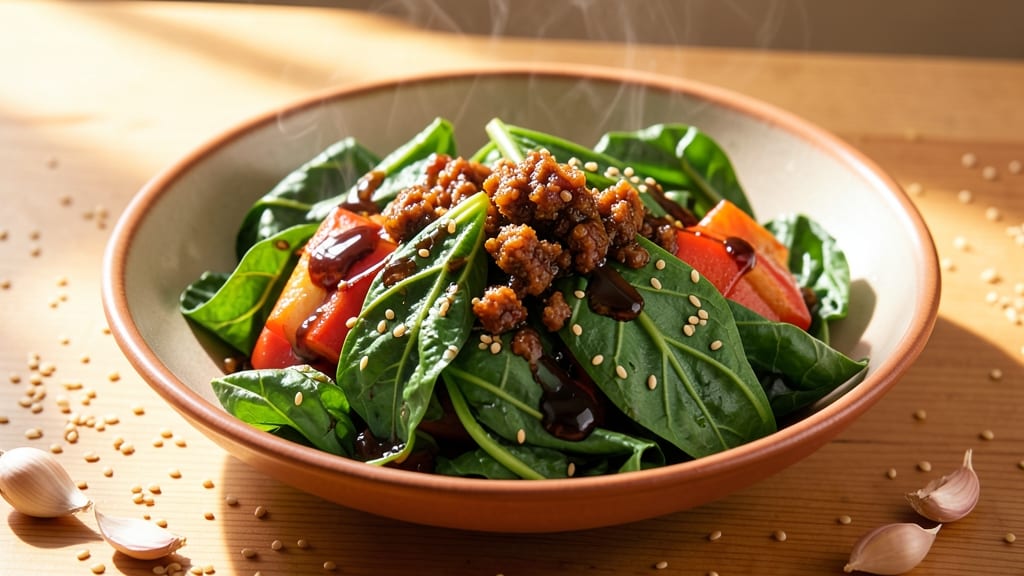
This Korean sweet potato leaves recipe transforms humble greens into a vibrant, umami-packed side dish that pairs perfectly with rice or grilled meats. The secret lies in balancing earthy sweet potato leaves with tangy kimchi, garlic, and toasted sesame—a technique rooted in Korean home cooking where seasonal vegetables shine.
Unlike store-bought versions, this method preserves the leaves' natural texture while infusing them with bold flavors through quick stir-frying.
The process begins with blanching the leaves to soften their slightly bitter edge, then stir-frying them with garlic, soy sauce, and a spoonful of kimchi for that signature tang. A drizzle of sesame oil at the end adds nutty depth, while a sprinkle of sesame seeds brings texture.
What makes this dish special is its versatility—it works as a standalone side, a bibimbap topping, or even a quick protein-free main when paired with rice and a fried egg.
What you’ll achieve is a dish that’s bright, savory, and deeply flavorful—far removed from the bland greens of childhood. The kimchi-infused leaves develop a subtle sweetness from the sweet potatoes, while the garlic and sesame create a perfect balance of heat and richness.
This recipe isn’t just about technique; it’s about honoring Korean comfort food traditions in a way that’s simple yet impressive.
For those looking to adapt, swap kimchi for gochujang or a splash of vinegar for a vegetarian-friendly version, or add a fried egg on top for extra protein. The key is keeping the leaves tender-crisp, so don’t overcook them—just enough to wilt slightly while maintaining their vibrant green color.
Ready in under 20 minutes, this dish proves that even side dishes can steal the show.
Ingredients for sweet potato leaves recipe korean
Nine simple ingredients transform humble sweet potato leaves into a vibrant Korean stir-fry side.
| Ingredient | Amount | Notes |
|---|---|---|
| Sweet Potato Leaves 🥕 | 10 oz | Fresh, stems removed |
| Kimchi 🥬 | ½ cup | Fermented, chopped |
| Garlic Cloves 🧄 | 4 cloves | Minced, fresh preferred |
| Sesame Oil 🫒 | 1 tbsp | Toasted, for aroma |
| Sesame Seeds 🌰 | 1 tbsp | Toasted, for garnish |
| Soy Sauce 🥢 | 2 tbsp | Light or dark |
| Sugar 🍯 | 1 tsp | White or brown |
| Vegetable Oil 🫒 | 2 tbsp | For stir-frying |
| Salt 🧂 | ½ tsp | Kosher or sea salt |
| Black Pepper 🌶️ | ¼ tsp | Freshly ground |
| Green Onion 🧅 | 2 whole | Sliced, for garnish |
Sweet potato leaves are the star here—look for vibrant green, tender leaves at Asian markets or well-stocked grocery stores. H-Mart or Korean grocery stores often carry them fresh, but if unavailable, substitute with spinach or collard greens (though the flavor will differ). The kimchi should be fermented and slightly tangy—Korean-style kimchi works best, but any fermented cabbage will do. For garlic, freshly minced is ideal, but pre-minced works in a pinch. Toast your sesame seeds in a dry pan for 1-2 minutes until fragrant—they’ll add depth to the dish.
No kimchi? Gochujang or a splash of rice vinegar can mimic the tang, though the flavor won’t be identical. Swap sesame oil for toasted peanut oil if needed, but sesame is traditional. The sugar balances the kimchi’s acidity—brown sugar or honey work too, though honey isn’t vegetarian. For a quicker prep, use pre-chopped kimchi or pre-minced garlic. The green onion garnish is optional but adds freshness—skip it if you’re short on time.
Sweet potato leaves wilt quickly, so prep them last. Store any leftovers in an airtight container for 2-3 days in the fridge, though they’re best fresh. The kimchi keeps for months in the fridge, and sesame oil lasts 6-12 months unopened. For meal prep, blanch the leaves ahead and store them separately—just stir-fry when ready to serve. This dish reheats well, though the texture may soften slightly.
Why You'll Love This Recipe
- No Chopping Chaos: I swear by this recipe when I’m too tired to dice anything. Sweet potato leaves? Just tear them—no knife skills required. The kimchi and garlic do all the flavor work while you sip your tea.
- Umami Bomb: That first bite of crispy-edged leaves with tangy kimchi and toasted sesame? It’s like a warm hug for your taste buds. The garlic caramelizes just enough to make every forkful irresistible.
- Leftovers That Shine: This dish actually improves the next day. The flavors meld into something even richer, and it reheats perfectly. Pack it for lunch or freeze portions—no sad, soggy leftovers here.
- Budget-Friendly Powerhouse: I feed my whole family for under $10 with this. Sweet potato leaves are cheap, kimchi stretches far, and sesame oil adds luxury without breaking the bank. Filling, flavorful, and guilt-free.
Step-by-step instructions for sweet potato leaves stir-fry
Transform simple ingredients into a vibrant Korean-inspired dish with this straightforward method.
Prepare the Sweet Potato Leaves
Begin by thoroughly washing the 10 oz sweet potato leaves under cold running water to remove any dirt or sand. Gently separate the leaves from their stems and discard the tough stems. You should have about 4 cups of leafy greens. The leaves should be bright green and free from any yellowing or brown spots.
Next, cut the leaves into 1-inch wide strips using a sharp knife. I find it easiest to stack a few leaves together and slice through them at once. This keeps the cutting process efficient while maintaining even strips. Keep the cut leaves in a colander until ready to use—they'll wilt slightly as they sit, which is normal.
Create the Flavor Base
Heat 2 tablespoons vegetable oil in a large wok or skillet over medium-high heat until shimmering. Add the 4 cloves minced garlic cloves and stir for 30 seconds until fragrant but not browned. The garlic should release its aroma almost immediately—this is your signal it's ready for the next ingredient.
Add the 0.5 cup chopped kimchi to the pan and stir-fry for 1-2 minutes until the kimchi begins to soften and release its juices. The mixture will smell tangy and slightly spicy. This step develops the foundational flavors that will carry through the entire dish. If you notice the kimchi browning too quickly, reduce the heat slightly to maintain even cooking.
Stir-Fry the Leaves with Seasonings
Add the prepared sweet potato leaves to the pan in batches, stirring continuously for 2-3 minutes until they begin to wilt and turn vibrant green. The leaves should look tender but still retain some texture. As they cook, sprinkle in the 0.5 tsp salt, 0.25 tsp black pepper, and 1 tsp sugar, stirring to evenly distribute the seasonings.
Pour in the 2 tablespoons soy sauce and continue stirring for another 1-2 minutes until the leaves are fully tender but not mushy. The sauce should coat the leaves evenly, creating a glossy finish. You'll know they're ready when a knife slides in easily and the leaves hold their shape but are no longer crisp. Remove the pan from heat once the leaves reach this perfect tenderness.
Finish and Garnish
Drizzle the hot stir-fry with 1 tablespoon toasted sesame oil and toss gently to combine. The oil will infuse the dish with a nutty aroma and enhance the overall flavor profile. Transfer the stir-fry to a serving dish and sprinkle evenly with 1 tablespoon toasted sesame seeds and the 2 sliced green onions for added texture and freshness.
Serve immediately while the leaves are still warm and vibrant. This dish pairs beautifully with steamed rice, which helps soak up the flavorful sauce. The combination of sweet potato leaves, tangy kimchi, and aromatic garlic creates a harmonious balance of flavors that showcases the natural sweetness of the greens while adding a satisfying umami depth.
Pro Tips For Making Sweet Potato Leaves Recipe Korean
- Wilt Leaves in Stages: Don’t dump all the sweet potato leaves in at once—they’ll steam instead of crisp up. Work in batches, tossing them into the pan when the garlic and kimchi are already sizzling and fragrant. This keeps the texture tender yet slightly crisp, not soggy.
- Use Aged Kimchi: Fresh kimchi is too watery and will turn your dish into a sad, diluted stew. Grab the back-of-the-fridge, fermented stuff—it’s tangier, saltier, and won’t dilute the flavors. If you’re stuck with fresh, squeeze out every drop of juice first.
- Salt the Leaves First: Toss the sweet potato leaves with a pinch of salt before they hit the pan. This softens them faster and prevents that bitter, undercooked edge. I learned this the hard way—skipping it left me with chewy, unappetizing greens.
- Toast Sesame Seeds Last: Add sesame seeds after the dish leaves the heat—they burn faster than you’d think. A quick toss in a dry pan for 30 seconds before sprinkling gives them that nutty aroma without turning them bitter. (Yes, even if you’re impatient like me.)
Storing and reheating your sweet potato leaves recipe korean
Refrigerator Storage
Sweet potato leaves wilt quickly, so store them in an airtight container with a paper towel to absorb excess moisture. Keep them refrigerated for up to 2 days—though they’re best enjoyed fresh. The kimchi-infused flavors actually intensify slightly overnight, making leftovers even more flavorful. 🥕
If storing separately, place the leaves in one container and any leftover kimchi sauce in another. Reheat gently to preserve texture—don’t microwave directly from the fridge, as the moisture can turn them soggy. Instead, use a skillet over low heat for 1-2 minutes to revive their crispness.
Freezer Prep Tips
For longer storage, blanch the leaves in boiling water for 30 seconds, then plunge into ice water to stop cooking. Drain well, pat dry, and store in a freezer-safe bag with parchment paper between layers to prevent sticking.
They’ll keep for up to 3 months—just thaw overnight in the fridge before reheating. 🧊
Freeze the kimchi separately in a small airtight container to preserve its tang. When ready to cook, thaw the kimchi first and use it straight from the freezer—no need to defrost the leaves until you’re ready to stir-fry.
This method keeps the leaves’ texture intact while maintaining the kimchi’s bold flavor.
Reheating Methods
For best results, reheat in a non-stick skillet over medium heat with a splash of water or sesame oil. Stir constantly for 2-3 minutes until warmed through—this prevents drying out.
If using the microwave, cover with a damp paper towel and heat in 30-second intervals, stirring between each. 🔥
Avoid reheating in the oven, as the leaves can dry out. For extra richness, add a drizzle of sesame oil or a pinch of sugar while reheating to restore their vibrant flavor. Serve with a side of steamed rice to soak up any leftover sauce.
Meal Prep Hacks
Prep the sweet potato leaves ahead by washing and chopping them, then store in a resealable bag with a damp paper towel to maintain freshness. Keep the kimchi, garlic, and seasonings in separate containers.
When ready to cook, simply stir-fry the prepped leaves with the other ingredients—this cuts active cooking time to under 10 minutes. ✨
For a quick lunch, assemble the dish in a thermos with pre-cooked rice and a fried egg on top. The residual heat keeps everything warm and ready to eat. This method is perfect for busy weekdays when you want a flavorful, homemade meal without the fuss.
Nutrition facts
Frequently asked questions
Can I substitute sweet potato leaves with other greens?
Yes, but the flavor will differ. Spinach or collard greens work best as substitutes—they wilt similarly and absorb flavors well. For a closer match, try mustard greens or even kale, though they may retain more bite. Avoid delicate greens like arugula, as they'll overcook quickly.
How do I know when sweet potato leaves are ready to harvest?
Look for vibrant green leaves that are tender but not wilted. The best time to harvest is when the leaves are about 4-6 inches long and still firm. Avoid harvesting leaves that are yellowing or have brown spots, as they'll be bitter. If growing your own, pick in the morning for maximum freshness.
Can I make this recipe without kimchi?
For a vegetarian version, use 1 tablespoon gochujang (Korean chili paste) or 1 teaspoon rice vinegar to replace the tang. For extra umami, add a splash of soy sauce or a pinch of sugar. The dish will still be flavorful, though the kimchi's signature tang will be missing.
Why do my sweet potato leaves turn bitter?
Bitter flavor usually comes from overcooking or using old leaves. Cook for no longer than 3-4 minutes total and ensure they're bright green before cooking. If using store-bought leaves, check the packaging date—older leaves develop bitterness. Blanching for 30 seconds before stir-frying can also reduce bitterness.
What's the best way to serve this dish?
This stir-fry shines as a side dish (banchan) with steamed rice, but it also works as a main when paired with a fried egg or tofu. For extra richness, drizzle with sesame oil and serve with grilled meats like bulgogi. It's also perfect in bibimbap or over noodles for a quick meal.