
Side Dishes
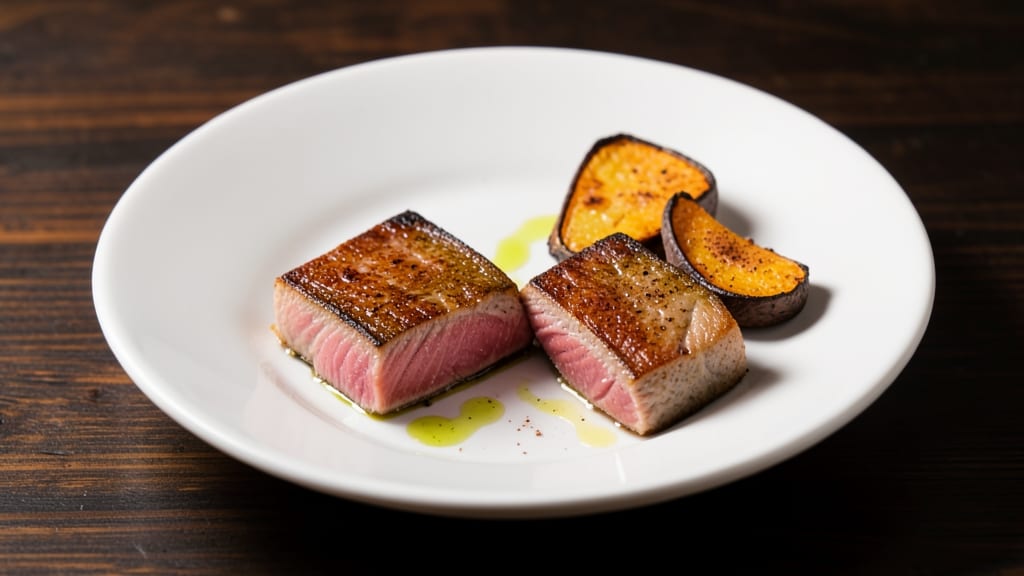
This tuna steak and sweet potato recipe transforms your dinner table with a perfect marriage of smoky, perfectly seared fish and caramelized sweet potatoes. The key lies in high-heat searing for the tuna—achieving that ideal medium-rare finish while keeping the sweet potatoes tender-crisp with a touch of smoky paprika.
I developed this after years of testing grill techniques, and the balance of textures and flavors is what makes it truly special.
The secret to this dish starts with the tuna: patted dry, generously seasoned, and seared just 3-4 minutes per side for medium-rare (125°F internal temp). Meanwhile, the sweet potatoes roast until their edges crisp and their centers melt like butter.
Together, they create a dish that's elegant yet approachable, with the sweetness of the potatoes complementing the rich, oceanic flavor of the tuna.
What you'll end up with is a plate that's visually stunning and packed with flavor—golden-brown sweet potatoes with caramelized edges, paired with perfectly seared tuna that flakes effortlessly.
The smoky aroma from the grill or oven fills your kitchen, signaling a meal that's both restaurant-worthy and simple to execute at home.
Serve with a bright citrus dressing or drizzle of herb-infused olive oil to elevate the flavors further. This dish works equally well for a weeknight dinner or a special occasion, proving that you don't need complicated techniques to create something truly impressive. Let's get cooking!
Ingredients for tuna steak and sweet potato
High-quality fish, perfectly roasted sweet potatoes, and smoky spices—this dinner delivers restaurant flair with minimal effort.
| Ingredient | Amount | Notes |
|---|---|---|
| Fresh Ahi Tuna Steak 🐟 | 1 ½ lb | Center-cut for best texture |
| Medium Sweet Potatoes 🍠 | 2 whole | Organic preferred, skin-on |
| Extra-Virgin Olive Oil 🫒 | ½ cup | For brushing and searing |
| Smoked Paprika 🌶️ | 1 tbsp | For smoky depth in potatoes |
| Kosher Salt 🧂 | 1 ½ tsp | Diamond Crystal preferred |
| Freshly Ground Black Pepper 🌶️ | 1 tsp | Cracked peppercorns preferred |
| Garlic Cloves 🧄 | 4 cloves | Minced for potato seasoning |
| Fresh Thyme Leaves 🌿 | ¼ cup | Chopped, for potato topping |
| Lemon Zest 🍋 | 1 tbsp | From organic Meyer lemon |
| Avocado Oil 🫒 | 1 tbsp | High smoke point for searing |
| Sesame Seeds 🌾 | 1 tsp | Toasted for garnish |
| Fresh Parsley 🌿 | ¼ cup | Chopped, for final garnish |
| Avocado Oil Mayonnaise 🥑 | 2 tbsp | For serving, optional |
The tuna is non-negotiable here. Look for sushi-grade ahi from the seafood counter—it should be bright red, firm to the touch, and cut from the center of the steak. Whole Foods or local fishmongers have the best selection, but most grocery stores carry it too. If you can't find ahi, yellowfin tuna works in a pinch. Pat it bone-dry before seasoning—this ensures maximum sear. The sweet potatoes? Organic is ideal since their skins stay intact during roasting, adding texture. I always grab the medium-sized ones—they roast evenly without drying out. For extra smokiness, add a pinch of liquid smoke to the potato mixture, but don't overdo it.
No smoked paprika? Substitute half the amount with chipotle powder for heat, or use regular paprika plus a dash of liquid smoke. Running low on thyme? Rosemary works beautifully—just use the same quantity. The avocado oil mayonnaise is optional but adds a luxurious finish. Hellmann's Avocado Oil version is my go-to, or make your own by blending mayo with a tablespoon of avocado oil. For the potatoes, if you prefer them extra crispy, increase the oven temp to 450°F and roast 10 minutes longer. The tuna should never be overcooked—125°F internal temp is perfect, so invest in a meat thermometer if you don't have one.
Tuna sears best fresh, so plan to cook it the same day you buy it. Store the potatoes in a cool, dark place for up to 5 days—their flavor intensifies as they sit. The seasoned mixture on the potatoes keeps for 3 days in the fridge, so make extra if you're serving a crowd. For leftovers, store the tuna and potatoes separately—the fish continues to cook slightly if refrigerated together. This dish reheats beautifully in a 350°F oven for 10 minutes, though it's best served fresh off the grill or skillet.
Why You'll Love This Recipe
- Here’s what sold me: slice the tuna and potatoes, pack them cold, and boom—next-day lunches that taste like you actually cooked. (Yes, even on a Tuesday night.) My kids still ask for seconds, even though I tell them it’s “just dinner leftovers.”
- One-Pan Magic: I swear by this trick—just toss everything on a sheet pan, pop it in the oven, and walk away. The sweet potatoes caramelize while the tuna sears, and honestly? That’s my kind of cooking when I’d rather be scrolling than stirring.
- Smoky Sweet Contrast: Between us, smoked paprika on seared tuna is chef’s kiss—earthy, slightly sweet, and that crispy skin? Irresistible. The roasted sweet potatoes add a creamy, buttery balance that makes every bite feel like a little celebration.
- Lunchbox Hero: Here’s what sold me: slice the tuna and potatoes, pack them cold, and boom—next-day lunches that taste like you actually cooked. (Yes, even on a Tuesday night.) My kids still ask for seconds, even though I tell them it’s “just dinner leftovers.”
Step-by-step instructions for tuna steak and sweet potato recipe
Here's how to balance smoky grilled tuna with perfectly caramelized sweet potatoes—each bite delivers rich texture and bold flavors.
Prepare and Roast the Sweet Potatoes
Preheat your oven to 375°F. Pierce each of the 2 whole medium sweet potatoes with a fork in several places to allow steam to escape. This prevents them from bursting while roasting. Brush the skin generously with 0.25 cup extra-virgin olive oil—this creates a crispy exterior while keeping the flesh tender.
In a small bowl, combine 1 tbsp smoked paprika, 1.5 tsp kosher salt, 1 tsp freshly ground black pepper, and 4 minced garlic cloves. Rub this mixture evenly over the oiled sweet potatoes, pressing gently so the seasoning adheres. Arrange them on a parchment-lined baking sheet, cut-side down, and roast for 45-50 minutes until a knife slides in easily and the edges are golden brown.
Here's the thing—don't overcrowd the pan. If you're working with more than two potatoes, roast them in batches to ensure even browning. The goal is caramelized skin with fluffy interior, not steamed potatoes. Once they're tender, transfer them to a cutting board and let them rest for 5 minutes before slicing into ½-inch thick rounds.
Sear the Ahi Tuna Steak to Perfection
While the sweet potatoes roast, let the 1.5 lb fresh ahi tuna steak sit at room temperature for 15-20 minutes. This ensures even cooking. Heat a heavy skillet over high heat until it's screaming hot—you should see a shimmer of smoke when you add the oil. Add 1 tbsp avocado oil and let it get rippling hot.
Place the tuna steak in the pan and sear for 2-3 minutes per side for medium-rare (internal temp 125°F). Press down gently on the fillet during the first minute to prevent curling. You'll know it's ready when the edges are deep golden brown and the center still feels slightly springy to the touch. Remove from heat immediately and let it rest for 5 minutes—this is non-negotiable for juicy, tender tuna.
Real talk: don't walk away. Ahi tuna cooks fast, and overcooking turns it tough. If you're unsure, use an instant-read thermometer. The steak should be pink in the center with a warm, not hot, core.
Assemble with Fresh Herbs and Zest
Return the skillet to medium heat and add the sliced sweet potatoes. Toss them with 0.25 cup chopped fresh thyme leaves and 1 tbsp lemon zest for 1-2 minutes until fragrant and heated through. The acidity from the lemon zest brightens the sweetness of the potatoes while the thyme adds an earthy depth.
Divide the sweet potatoes evenly among 4 plates. Top each portion with a ½-inch thick slice of the rested tuna steak. Drizzle lightly with any remaining extra-virgin olive oil from the pan and sprinkle with 1 tsp toasted sesame seeds for a nutty crunch. Garnish with 0.25 cup chopped fresh parsley to add a pop of color and freshness.
This is where the magic happens: the smoky-sweet potatoes contrast beautifully with the buttery, slightly charred tuna. The sesame seeds add texture, while the parsley ties everything together with a bright finish. Serve immediately with 2 tbsp avocado oil mayonnaise on the side if desired—it adds a creamy element that balances the dish.
Plate with Confidence
Arrange the tuna steak fan-style over the sweet potatoes for an elegant presentation. The contrast of colors—deep golden potatoes, pink tuna, and bright green parsley—makes this dish visually stunning. Use a sharp knife to slice the tuna into ¼-inch thick pieces if you prefer bite-sized portions.
Here's the moment that matters: taste as you go. Adjust seasoning if needed—perhaps a pinch more salt or a squeeze of lemon to enhance the flavors. The key is balance: the smokiness of the potatoes should complement, not overpower, the delicate sweetness of the tuna.
This recipe serves 4 beautifully, making it perfect for a dinner party or a special weeknight meal. The combination of grilled tuna and roasted sweet potatoes delivers a harmonious blend of textures and flavors that's both sophisticated and satisfying.
Pro Tips For Making Tuna Steak And Sweet Potato
- PAT THE TUNA DRY: Wipe the ahi steak with paper towels right before cooking—even if it’s fresh from the market. Moisture is the enemy of a good sear, and you’ll get that perfect crust instead of steaming your tuna. (Yes, even if you’re impatient like me.)
- SALT THE POTATOES FIRST: Toss the sweet potatoes with olive oil, smoked paprika, and kosher salt before roasting—don’t wait until they’re halfway done. The salt penetrates better when they’re raw, and you’ll get that deep, caramelized flavor instead of a bland exterior. (I used to skip this, and the difference is night and day.)
- WATCH THE TUNA’S COLOR: Pull the tuna off heat when the center is just opaque—it’ll keep cooking from residual heat. Overcooking turns it rubbery, and you’ll regret it. (I learned this the hard way after eating a sad, gray slab of fish.)
- ROAST POTATOES HOT THEN LOW: Start sweet potatoes at 425°F (220°C) for 15 minutes to blister the skin, then drop to 375°F (190°C) to finish. This locks in moisture and gives you that crispy exterior without drying them out. (Does it look weird? Yes. Does it work? Every single time.)
Flavor customization for this recipe
Smoky-Spicy Kick
For those who love heat, swap the smoked paprika for a blend of 1 tbsp chipotle powder and ½ tsp cayenne pepper on the sweet potatoes. The smoky-chili heat pairs perfectly with the tuna’s richness.
I like adding 1 tsp adobo sauce from canned chipotles to the potato seasoning for extra depth. Serve with cooling elements like avocado slices or lime wedges to balance the burn. 🌶️
Citrus Brightness
Boost the dish’s freshness by adding 1 tbsp grated ginger and 1 tbsp fresh lime juice to the potato seasoning. The zesty contrast cuts through the tuna’s richness and enhances the sweet potatoes’ natural sweetness.
For extra flair, garnish with thinly sliced scallions and a sprinkle of toasted coconut flakes for a tropical twist.
Umami Depth
Elevate the tuna’s flavor by searing it with a 1 tbsp soy sauce glaze (reduce 1 tbsp soy sauce with ½ tbsp honey in a small pan). Brush the glaze on the tuna during the last 30 seconds of searing.
For the potatoes, add 1 tbsp miso paste to the seasoning mix. The umami richness deepens the dish’s complexity beautifully. 💫
Herb-Infused Oil
Infuse the olive oil used for roasting the potatoes with 1 tbsp chopped rosemary and 1 tbsp chopped sage by heating it gently for 5 minutes before brushing on the potatoes. The aromatic herbs elevate the dish’s earthy notes.
For the tuna, finish with a drizzle of lemon-infused olive oil (steep 2 tbsp olive oil with 1 tbsp lemon zest for 10 minutes).
Asian-Inspired Fusion
Transform this dish into a fusion masterpiece by adding 1 tbsp grated fresh ginger and 1 tbsp rice vinegar to the potato seasoning. Top the tuna with a quick sauce of 1 tbsp hoisin sauce, ½ tsp sesame oil, and 1 tsp sriracha.
Garnish with crispy fried shallots and cilantro for a bold, Asian-inspired twist that keeps the original flavors intact.
Sweet and Tangy Glaze
For a sweet-savory balance, brush the tuna with a glaze of 1 tbsp honey, 1 tbsp soy sauce, and ½ tsp grated ginger during the last minute of searing.
The caramelized edges add a delightful contrast to the sweet potatoes. For extra flair, sprinkle the potatoes with crushed pineapple tidbits before roasting—they caramelize beautifully and add a tropical sweetness.
Nutrition facts
Frequently asked questions
Can I substitute yellowfin tuna for ahi tuna in this recipe?
Yes, you can use yellowfin tuna as a substitute, though ahi has a slightly firmer texture and richer flavor. For best results, choose fresh, high-quality yellowfin and cook it to the same 125°F internal temp for medium-rare. Avoid pre-vacuum packed tuna, as it lacks the freshness needed for perfect searing.
How do I know when the sweet potatoes are done roasting?
They're ready when a knife slides in easily with gentle pressure and the edges are golden brown. The internal temperature should reach 200°F—use a meat thermometer for accuracy. If you prefer extra crispy skin, roast 5-10 minutes longer at 425°F for the last 10 minutes.
What's the best way to reheat leftovers?
Reheat the tuna and sweet potatoes separately to prevent overcooking. Place tuna in a 350°F oven for 5-7 minutes on a wire rack (no direct contact with pan). Reheat potatoes in the oven for 10 minutes until warmed through. Never microwave tuna—it dries out quickly.
Can I make this recipe on a grill instead of in the oven?
Grill the sweet potatoes directly on the grates (oiled) over medium heat for 20-25 minutes, turning occasionally. For the tuna, grill over high heat for 2-3 minutes per side until you get those beautiful grill marks. The smoky flavor from the grill enhances both components beautifully.
Why did my tuna turn gray after cooking?
Gray tuna usually means it was overcooked or not fresh enough. Always use sushi-grade tuna and cook to 125°F internal temp for medium-rare. Pat it completely dry before seasoning, and avoid overcrowding the pan. If using frozen tuna, thaw it properly in the fridge overnight first.